

Hermès leathers and skins remain unrivaled when it comes to craftsmanship, legacy, and quality. Sturdy, sophisticated materials mean long-lasting bags that wear beautifully over time. Many luxury bag collectors put a lot of thought into investing in an Hermès piece.
If you want to gain a deeper understanding of the brand’s goods, you’re on the right track. Discover what truly elevates Hermès leathers and skins – from the classic finishes to rare, high-value finds.
Your Smart Guide to the Types of Hermès Leathers and Skins
Why Do Hermès Leathers and Skins Matter?
To own Hermès leathers does not just mean elevation and luxury. It is an exclusive investment, something that can last you for decades. Each leather carries unique qualities. When combined with exceptional craftsmanship, premium Hermès leathers shape the life of your bags – their color, durability, shape, structure, weight, and resale value.
If these factors matter to you, you must select the right leather or skin to match your lifestyle.
Color and Patina
Various hides absorb color differently. Porous leather can absorb more dye, which results in a more saturated finish, while denser areas produce paler tones. The tanning and finishing processes also affect how color shows up. Patina, or the natural aging process of leather, can create a beautiful transformation on your luxury bags. It happens when the material interacts with elements like body oils, dirt, humidity, sunlight, and water.
Durability
Hermès leathers are always full-grain, the highest quality. It is the top layer of the hide, which means the grains remain fully intact and unaltered even as time passes. No sanding, buffing, or extra processes are applied. Because of their exceptional thickness and quality, they can last for life without wearing down.
Shape and Structure
The types of leather also define the way luxury bags are shaped or structured. For instance, Hermès Epsom leather is shape-retaining, which makes it an ideal choice for crafting sharp-cut Sellier style bags. On the other hand, Togo leather is softer and more relaxed, an important characteristic for delicately-draped Retourne style bags.
Weight
The heavier the leather, the better rigidity it has. But it’s not easy to tote around a heavy luxury bag every day. Hermès leathers strike a wonderful balance between lightness and substantial weight. Artisanal skill applied to each bag helps create structured to slouchy silhouettes, while retaining a functional and sturdy feel in your hands.
Resale Value
The types of Hermès leather can drastically affect a bag’s resale value. Although the brand uses a wide variety of premium leathers and skins, only a few dominate the resale market. If you’re planning to sell your Togo Birkin or Epsom Kelly, you’re more likely to get a high valuation. Chevre leather can also be a top choice for limited edition bags.
Are Hermès Skins More Valuable than Leather?
Yes, exotic Hermès skins are typically reserved for some of the most elegant designs. If you manage to find a handbag crafted from alligator, crocodile, ostrich, or lizard, expect it to cost about two to three times more than a standard leather bag.
Because Hermès skin exotic handbags are highly coveted at boutiques and on the reseller market, they are often gone in the blink of an eye. It symbolizes top-tier exclusivity and luxury.
59 Types of Hermès Leathers and Skins
Hermès Calfskin Leather Types
1. Togo
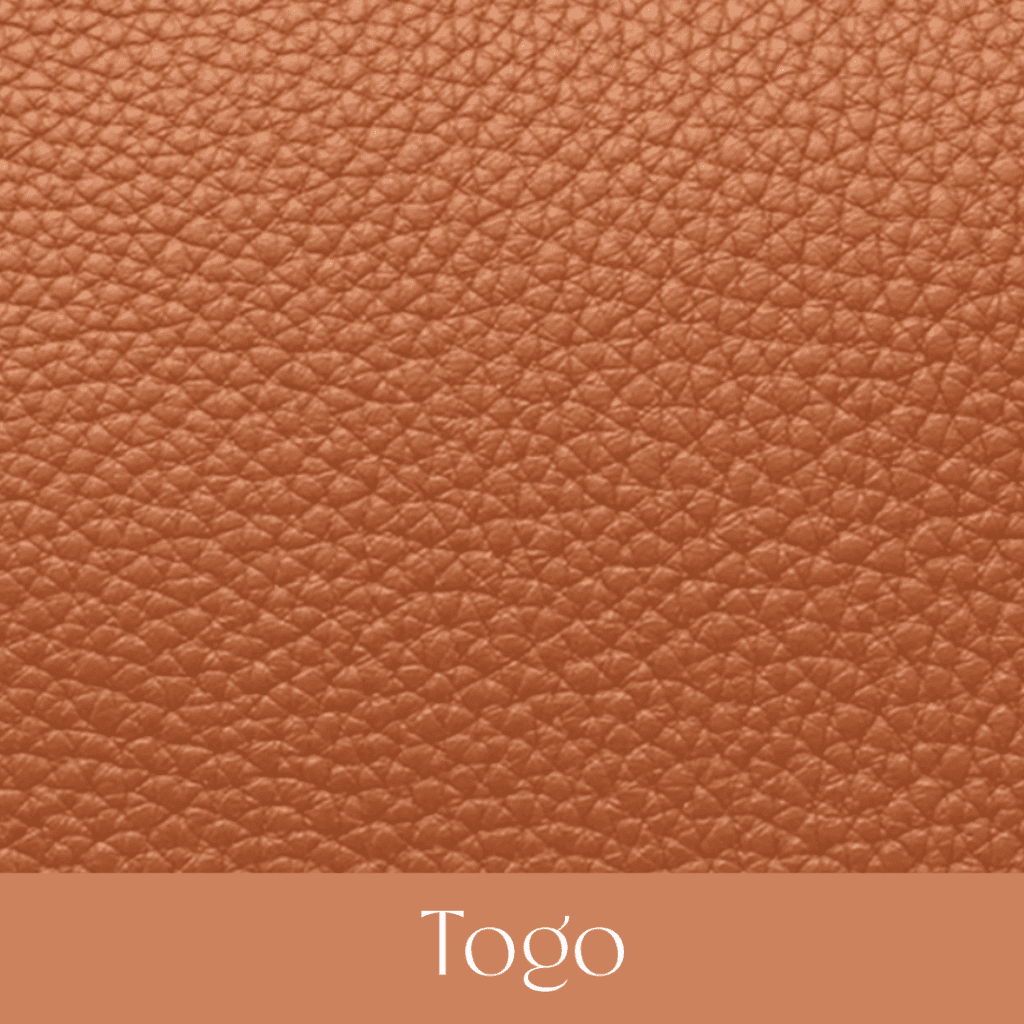
Togo leather is one of the most popular Hermès leathers. It was introduced in 1997, boasting a natural pebbled and veiny grain. The rich texture and matte finish make it highly resistant to scratches, unlike other leathers. As mentioned earlier, Hermès Togo has some of the highest valuations on the reseller market. It is well-loved because it retains its shape, is easy to maintain, durable, and timeless.
2. Epsom
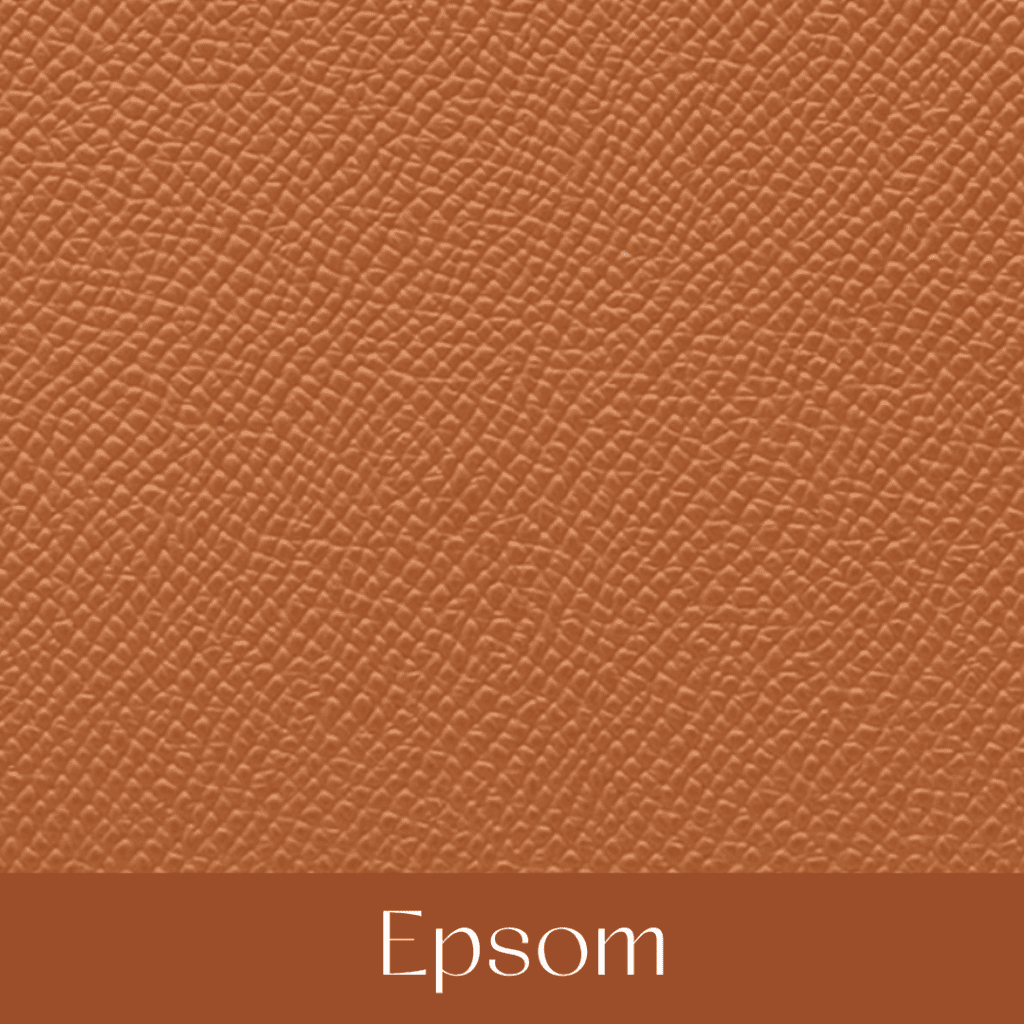
Epsom is another crowd favorite among the different Hermès leathers. It was first introduced in 2003 as a replacement for the discontinued Courchevel leather. Epsom is sourced from embossed calfskin with a fine, pressed crosshatch grain. The surface is also very resistant to scratches, which makes it an ideal choice for any luxury handbag for daily wear. An Hermès Epsom leather bag, like the Kelly Sellier or Birkin Sellier, is typically rigid, waterproof, and lightweight. A damp cloth is all it takes to clean marks on the surface and restore it to its vibrant color.
3. Box

Box leather or Box Calf is one of the classic Hermès leathers, its usage is said to date back to the 1890s. Glossy, smooth, and sophisticated, this type of material is perfect for polished, formal looks. It looks particularly posh on vintage handbags and the Sellier style Kelly. Box Leather is characterized by its stiff structure, ultra-fine grain, and premium feel. One downside to very fine Hermès leathers is their susceptibility to scratches, wear, and tear. It may not be the best pick for collectors who aren’t keen on high-maintenance bags.
4. Ardennes (Discontinued)
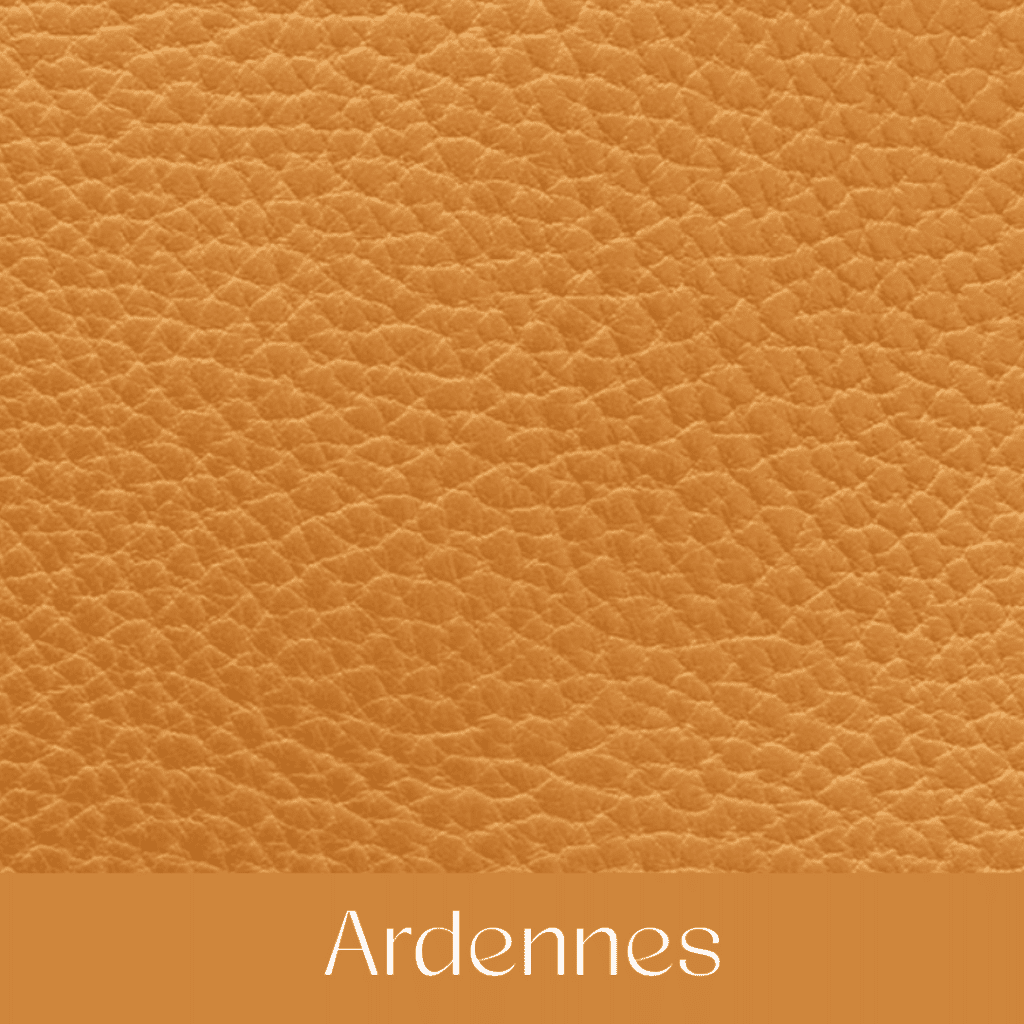
Discontinued in the early 2000s, Ardennes was one of the sturdiest Hermès leathers. It was replaced by Vache Liegee around the same period, but it is still highly sought after in the reseller market. Ardennes is named after a foresty region in France, and is recognized for its distinct structure, which could rival that of Epsom, and compression, comparable to Box leather. It lacks a prominent bumpy grain, but is still highly resistant to scratches and wear. The high oil content of Ardennes produces its glossy sheen and waterproofs it well.
5. Barenia Fauve
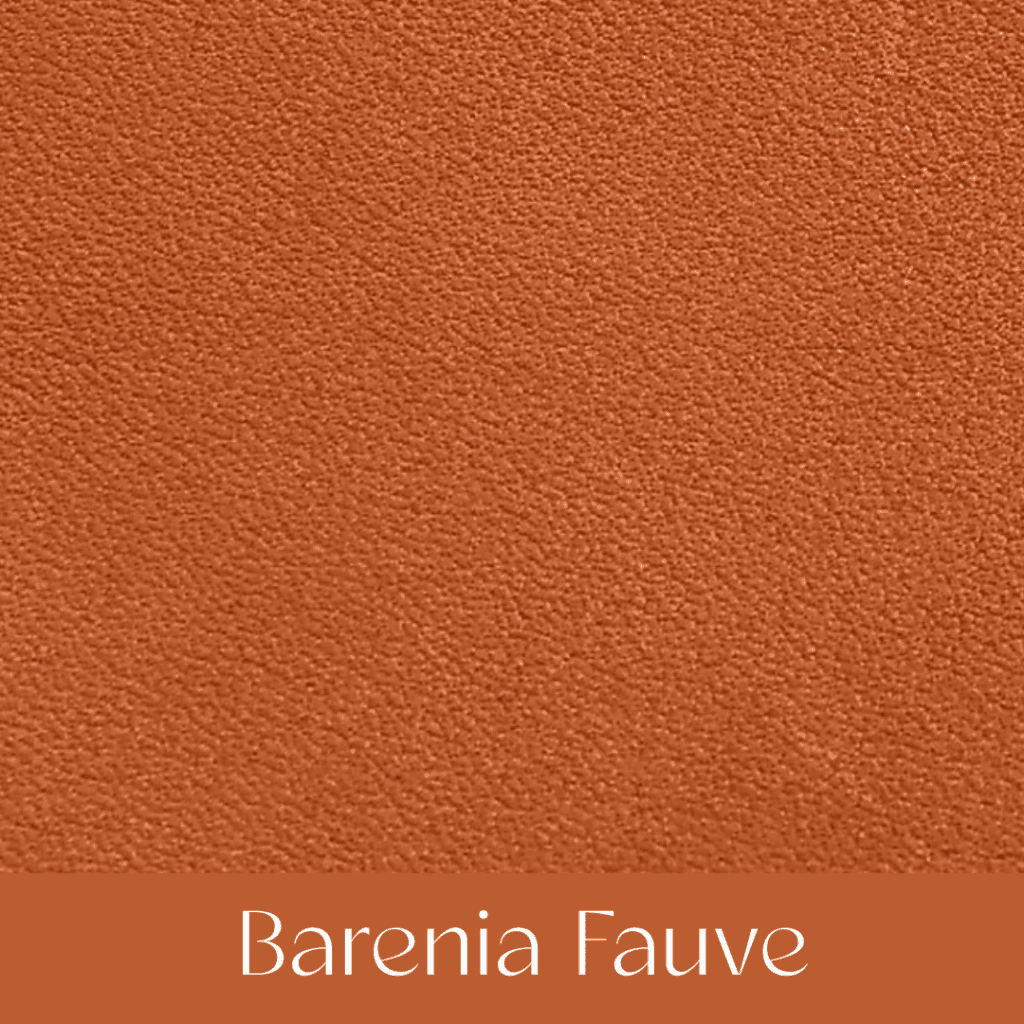
Barenia is another OG among Hermès leathers. Originally used to make saddles, Barenia remains one of the house’s most durable materials. The Fauve variant is characterized by its smooth and soft finish, almost like butter. The more the leather is exposed to friction, oils, and sunlight, it develops a dramatic patina that can show the aged beauty of Barenia. The gradual appearance of age and use is why collectors nicknamed it “living leather”.
6. Barenia Faubourg
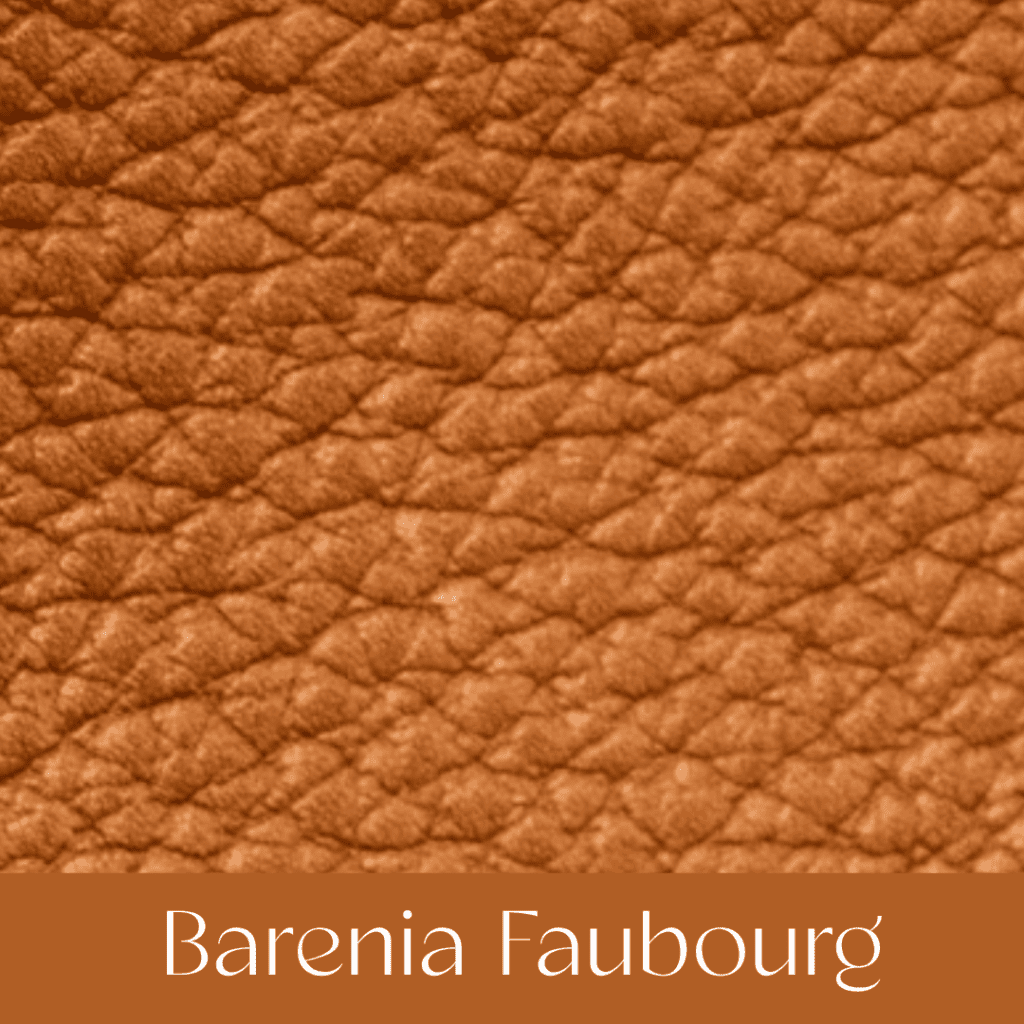
The Faubourg is the grained version of Barenia Hermès leathers. Faubourg is treated with a distinct grain to prevent it from retaining scratches and enhance its structure. It was only introduced in 2017, but nods to the heritage of Fauve through similar, natural, tan hues of Fauve. Richly textured, it appeals to fans of the Togo leather’s look and feel.
7. Butler
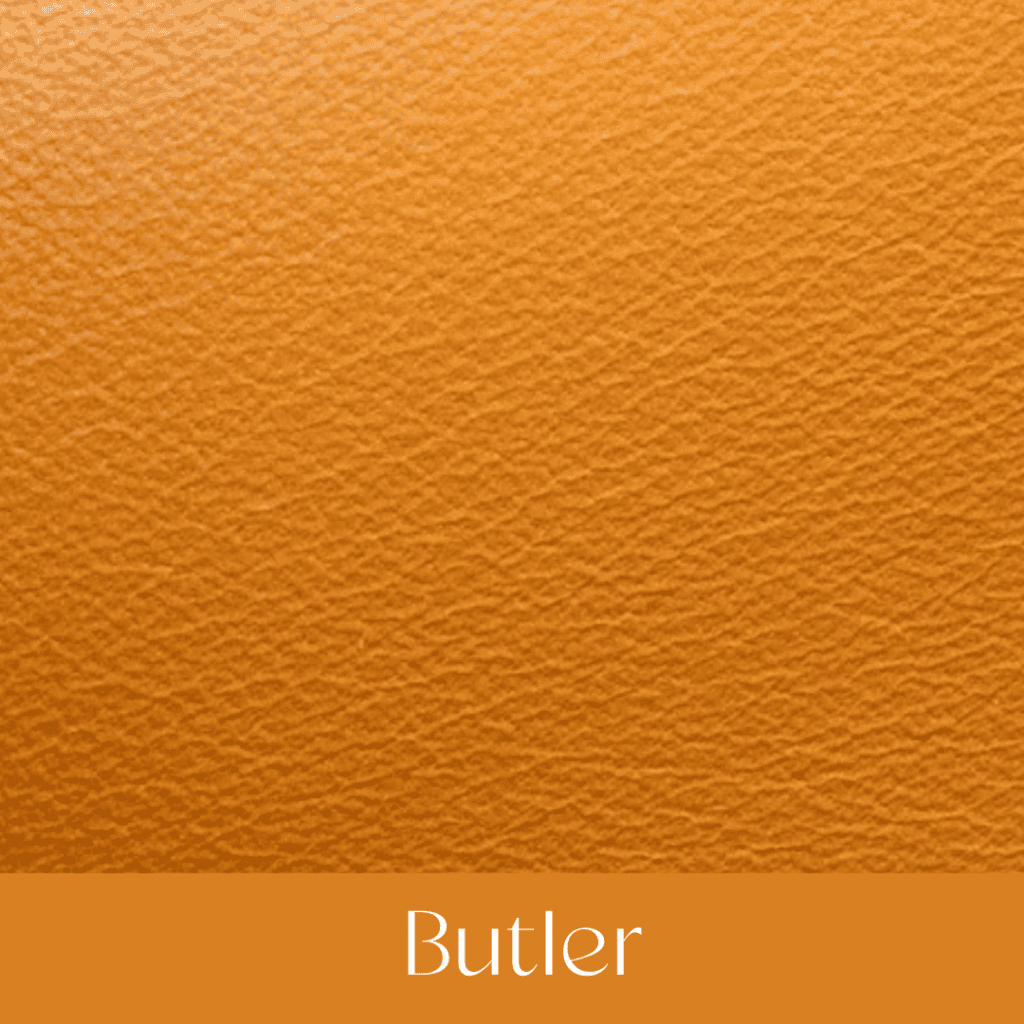
Heritage Hermès leathers are known for their rarity and uniquely premium characteristics. Butler is one of those – smooth, natural, and untreated. It is quite high-maintenance due to its low resistance to marks and scratches. Although it is quite rare and hard to find, Butler can be compared to Barenia in terms of developing a rich patina as time goes by.
8. Courchevel Leather (Discontinued)
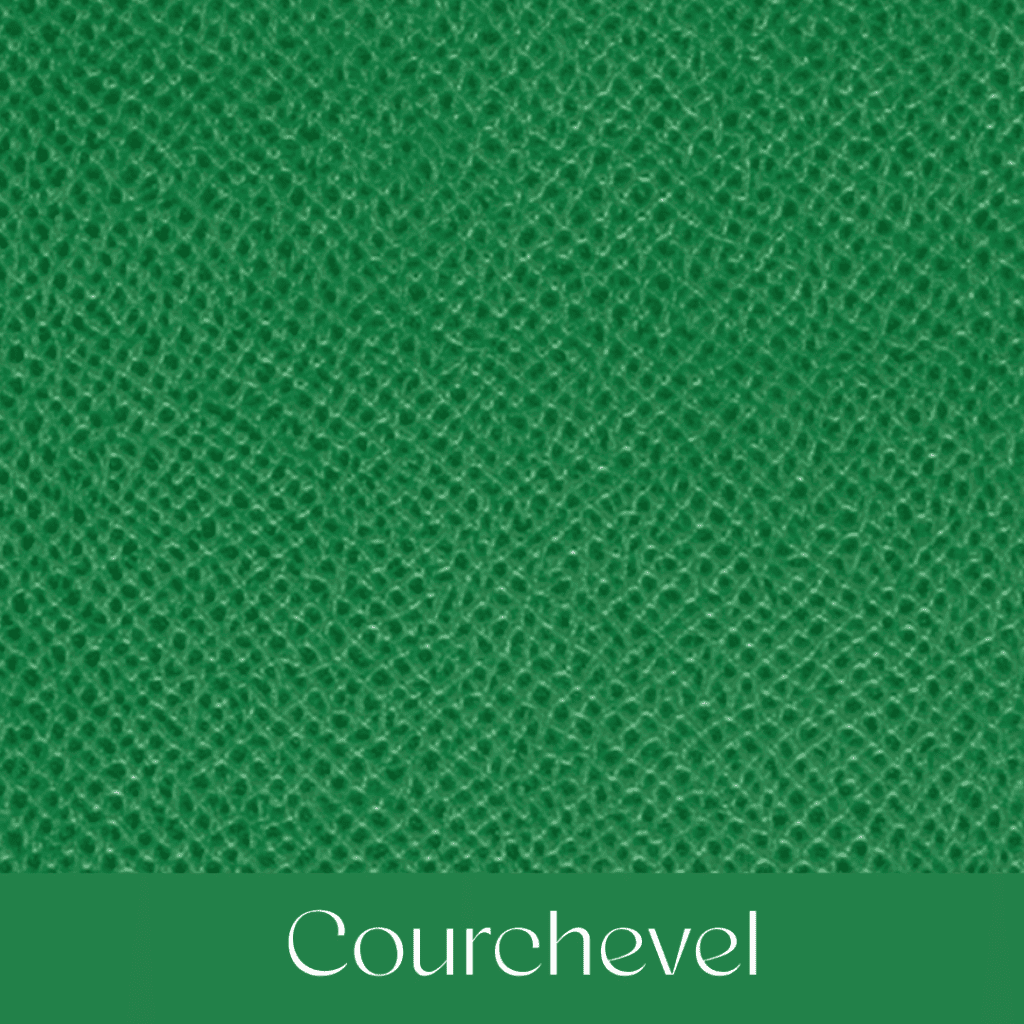
Courchevel leather was discontinued in 2004 and replaced by Hermès Epsom leather. It bears a faint grainy texture, making it easier to clean, maintain, and protect against scratches. You might notice that the colors darken the closer they are to the center of this leather type. Handbags made from Courchevel can be found on the luxury resale market.
9. Doblis
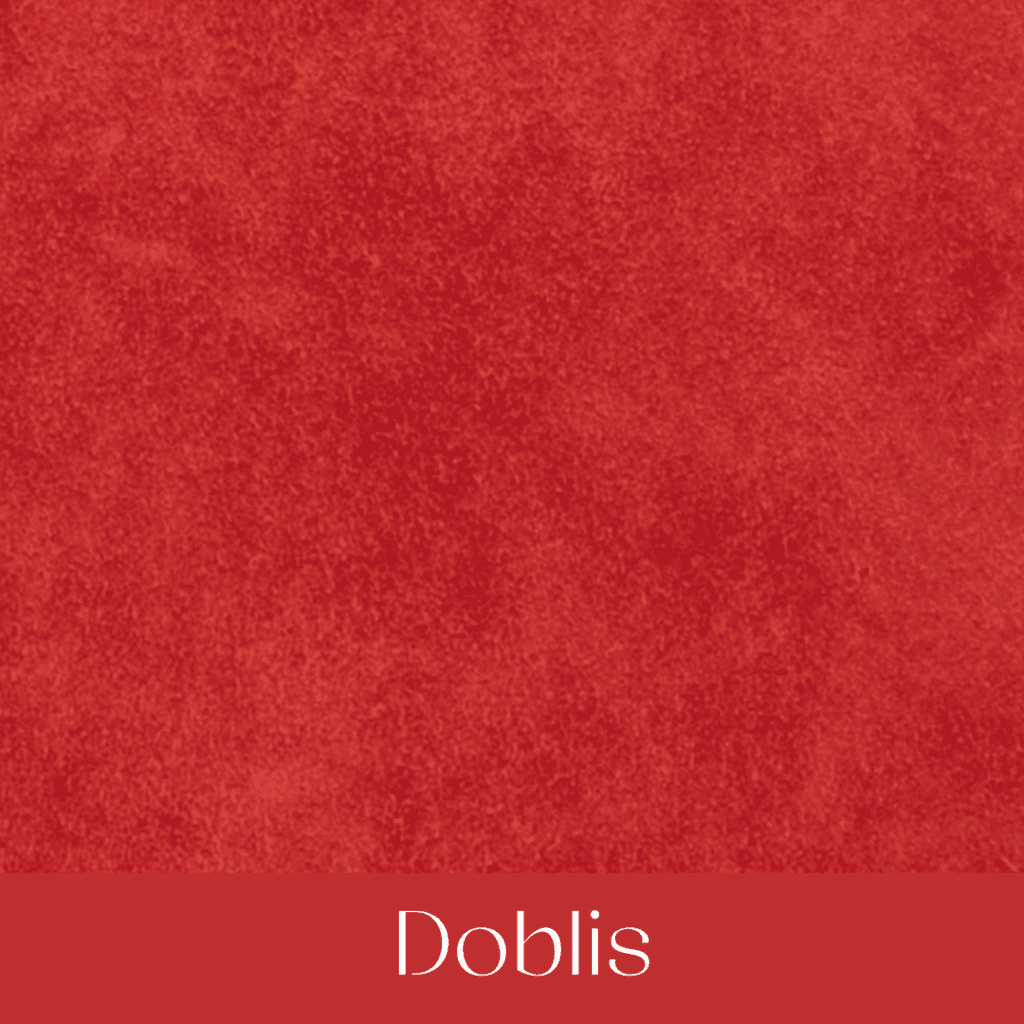
Suede is also one of the key types of Hermès leather. It is made from the underside of calfskin, giving it this distinct, fuzzy texture that feels plush and superior. Veau Doblis is one of them. Like many heritage Hermès leathers, it was used to craft vintage pieces that date back to the 1930s, such as the Jige Clutch or Kelly 20. In later years, the house began using Doblis to create larger handbags. It is velvety and structured, but prone to humidity and water damage.
10. Grizzly
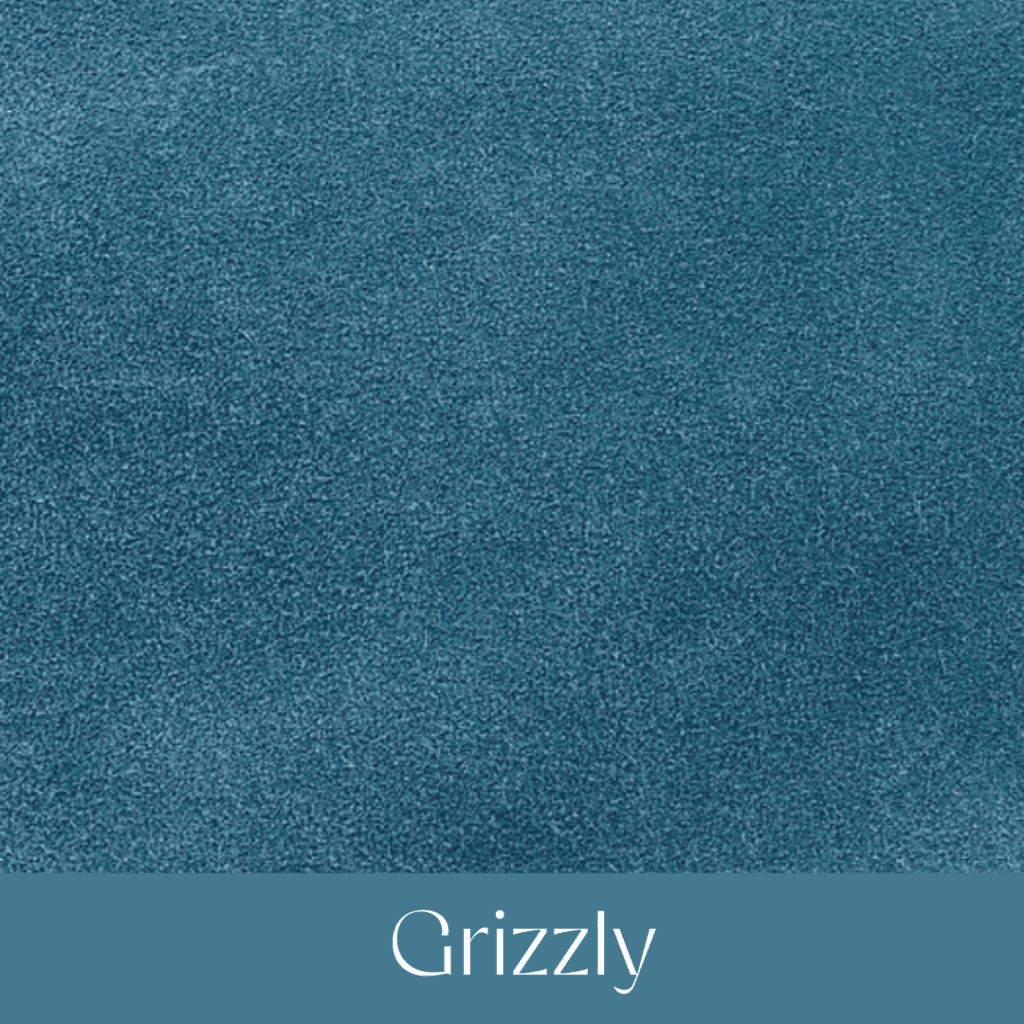
Introduced in 2010 as a more resilient alternative to the Doblis, Grizzly is one of the more ‘modern’ suede Hermès leathers. Suitable for both casual and formal styles, this kind of leather boasts a longer nap, thick and richer texture with a matte finish. It carries the same fuzzy texture with slight coarseness. This balanced feel makes it a prime choice for mixed-material bags, such as shearling and fine-grain leathers.
11. Derma (Discontinued)
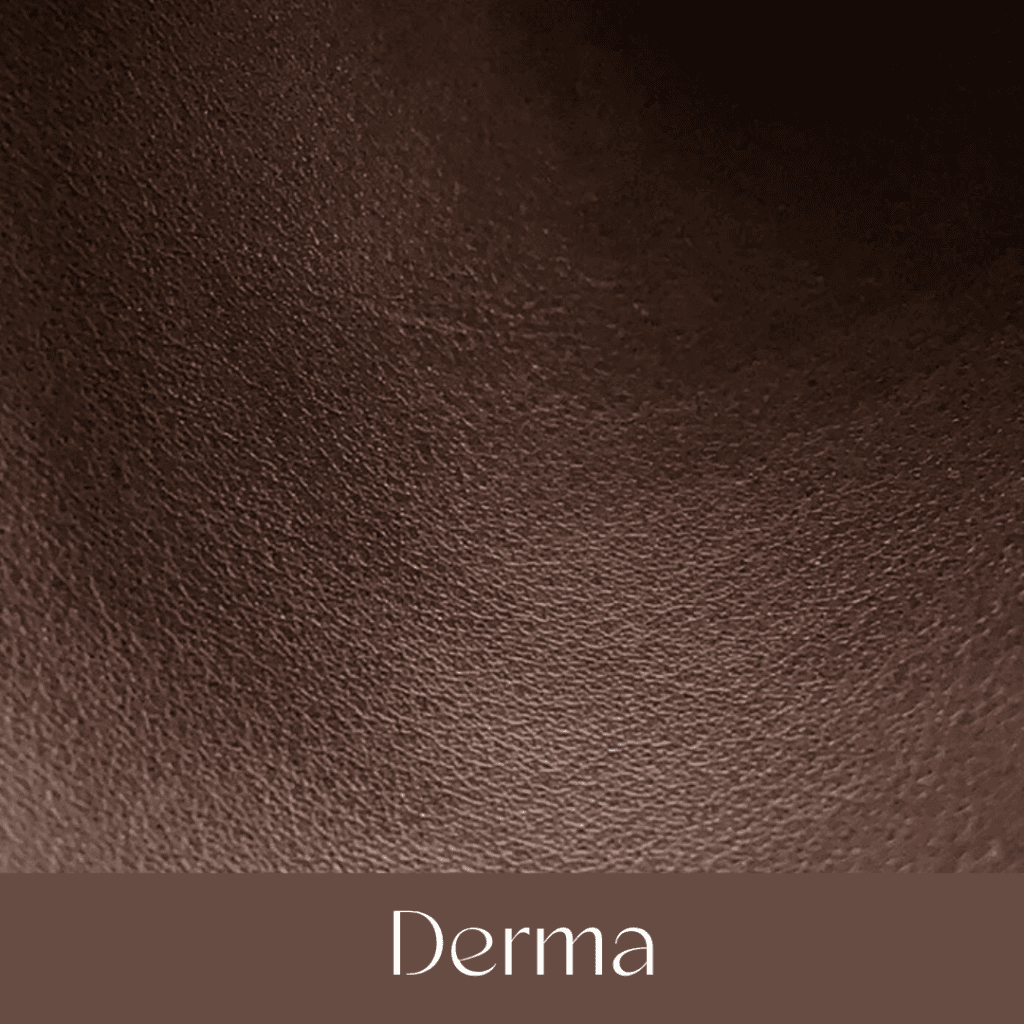
Introduced in 2004 and retired sometime after, Hermès Derma leather is extremely delicate. Its pristine softness and matte texture is achieved through a meticulous treatment process. Derma is sourced from male calf and is made to be thin and flexible.
12. Evercalf
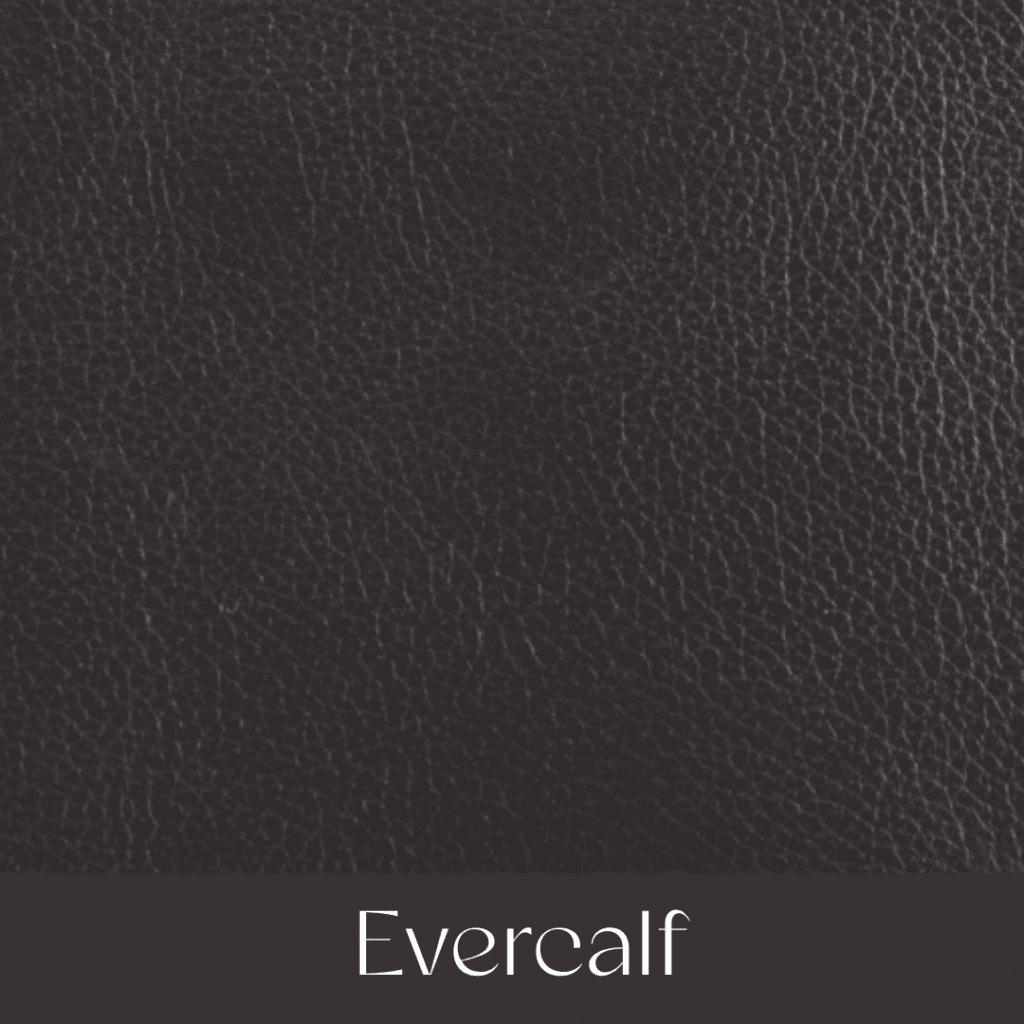
The Evercalf can easily be mistaken for Box leather. Both Hermès leathers possess a smooth, sophisticated, and “classy” appearance, but between the two of them, Evercalf emerges as the softer, sturdier option. It is slightly glossier but also more resistant to scratches and wear, making it less delicate than Box.
13. Evercolor
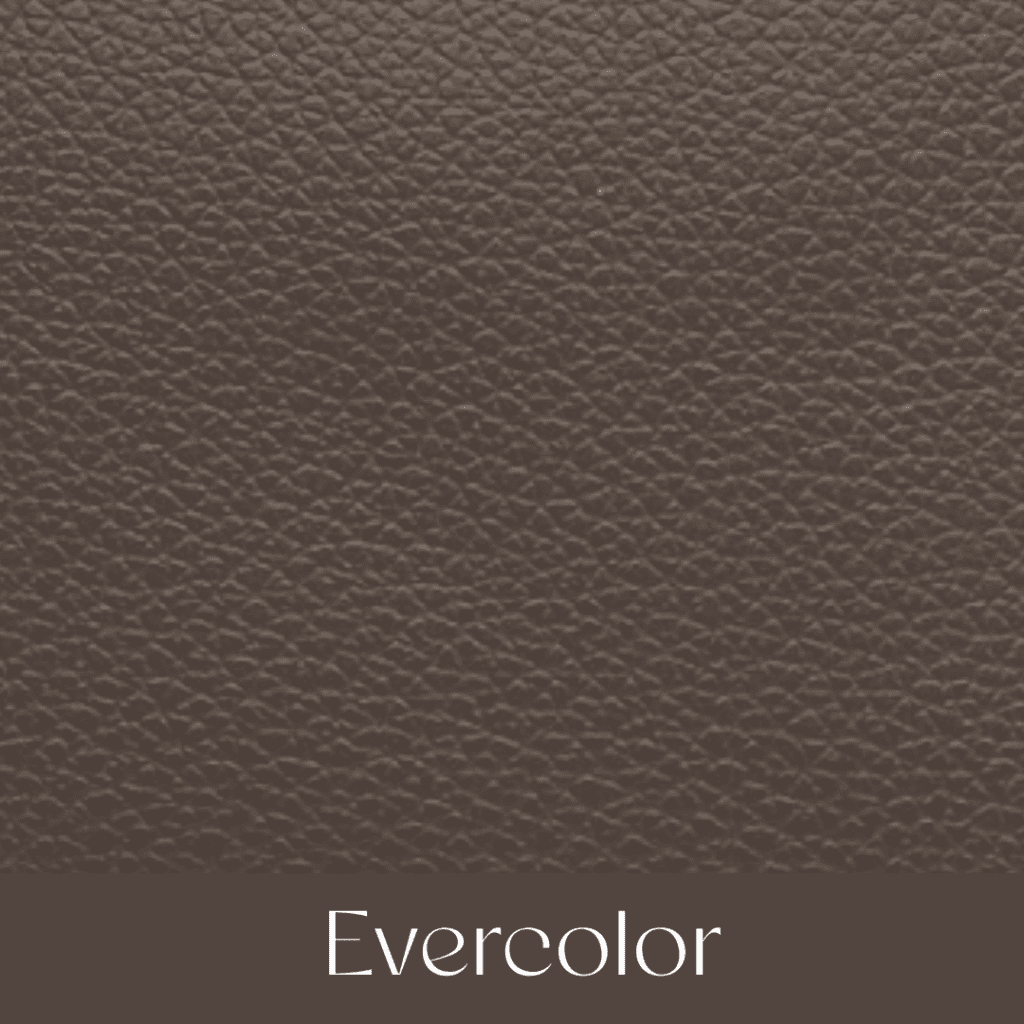
The brand introduced Evercolor, an addition to pressed Hermès leathers, in 2013. It combines rich colors with quality softness and structure. It has a fine grain and soft matte finish, appearing smooth without too much gloss. It is also characterized by excellent color absorption and reflection. Evercolor was initially a key option for small leather goods (SLGs), but has evolved into a beloved material for flagship handbags like the Constance and Kelly.
14. Evergrain
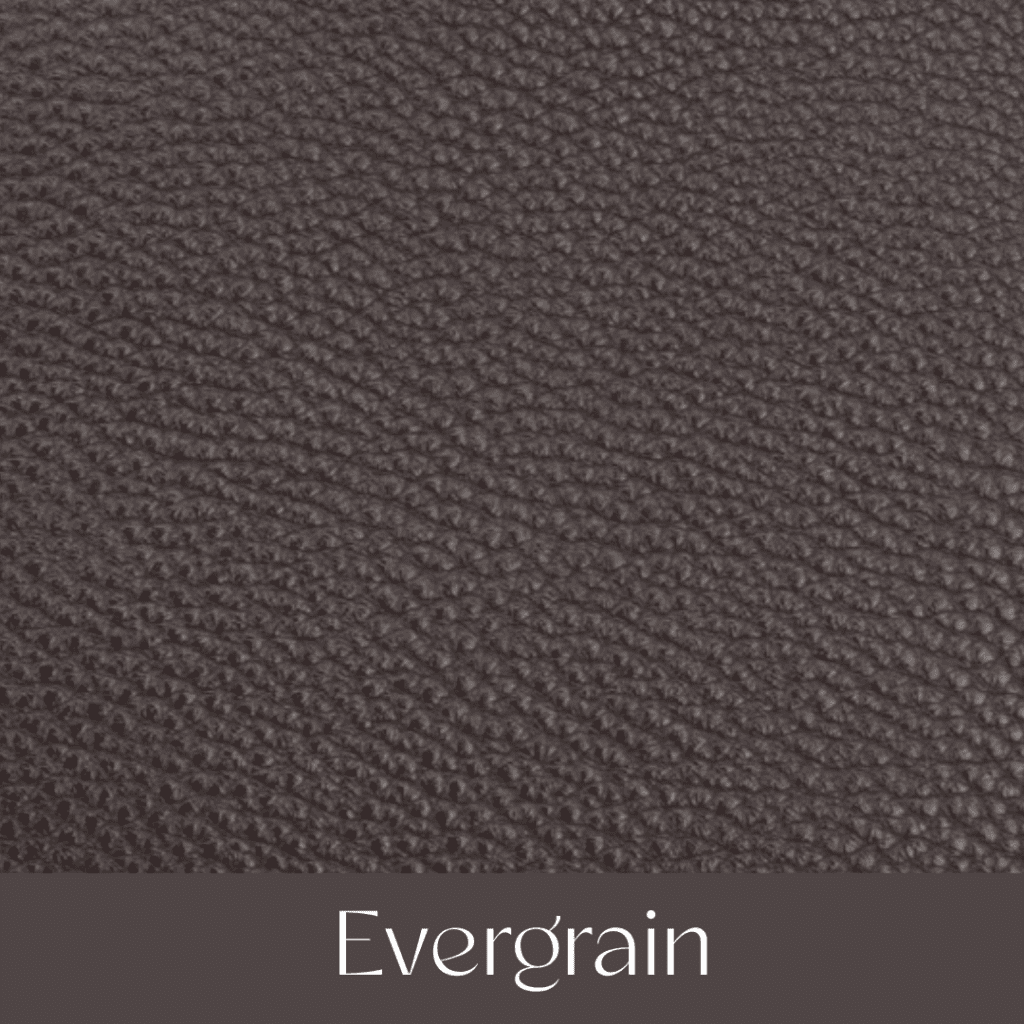
Where Evercalf is smooth, sleek, and rigid, the Evergrain offers a textured, more supple alternative. It shares more similarities with Evercolor, such as a micro-embossed fine, crackled grain pattern and smooth, matte texture. It is quite prone to scuffing and scratches, and can get challenging to buff out prominent marks.
15. Galop d’Hermès
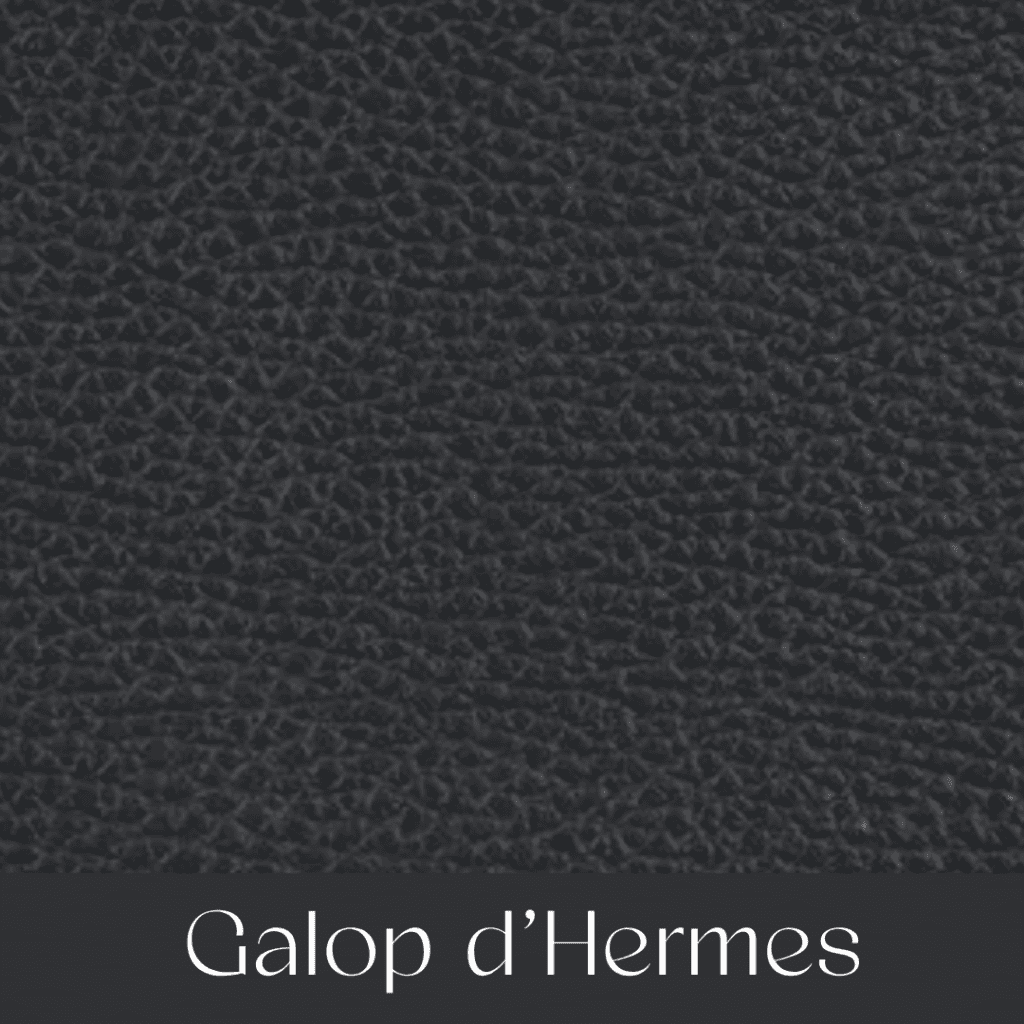
Collectors of SLGs and men’s bags might encounter the elusive Galop d’Hermès. This lightweight and sturdy material is a recent addition to the Hermès leathers lineup and is only offered in very few neutral hues, such as Noir, Fauve, and Ebene.
16. Grain d’H
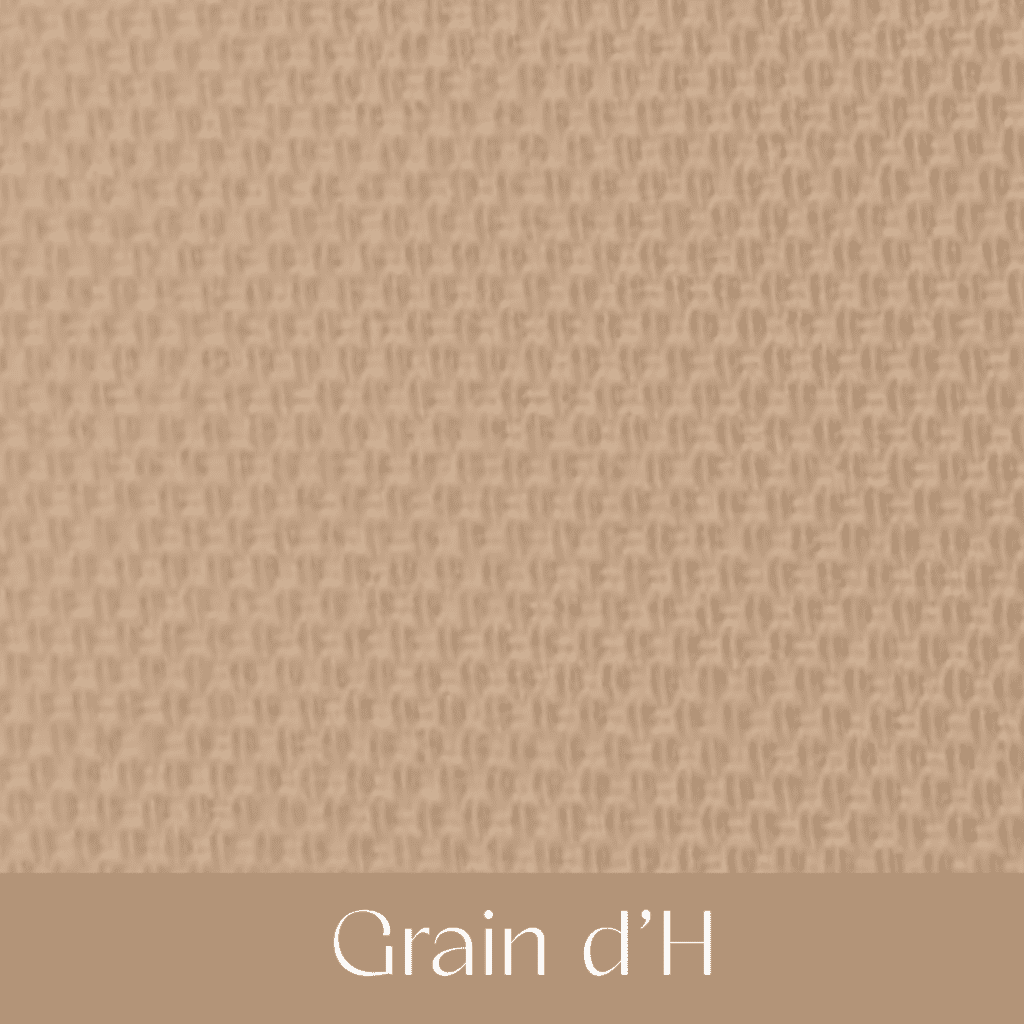
Grain d’H is another type of Hermès leather more commonly used in SLGs, but is also widely used for handbags. Texture is what sets Grain d’H apart. It has an embossed print featuring interlocking, seamless “H” letters, which enhances its surface durability and makes it highly scratch-resistant.
17. Grain Lisse (Discontinued)
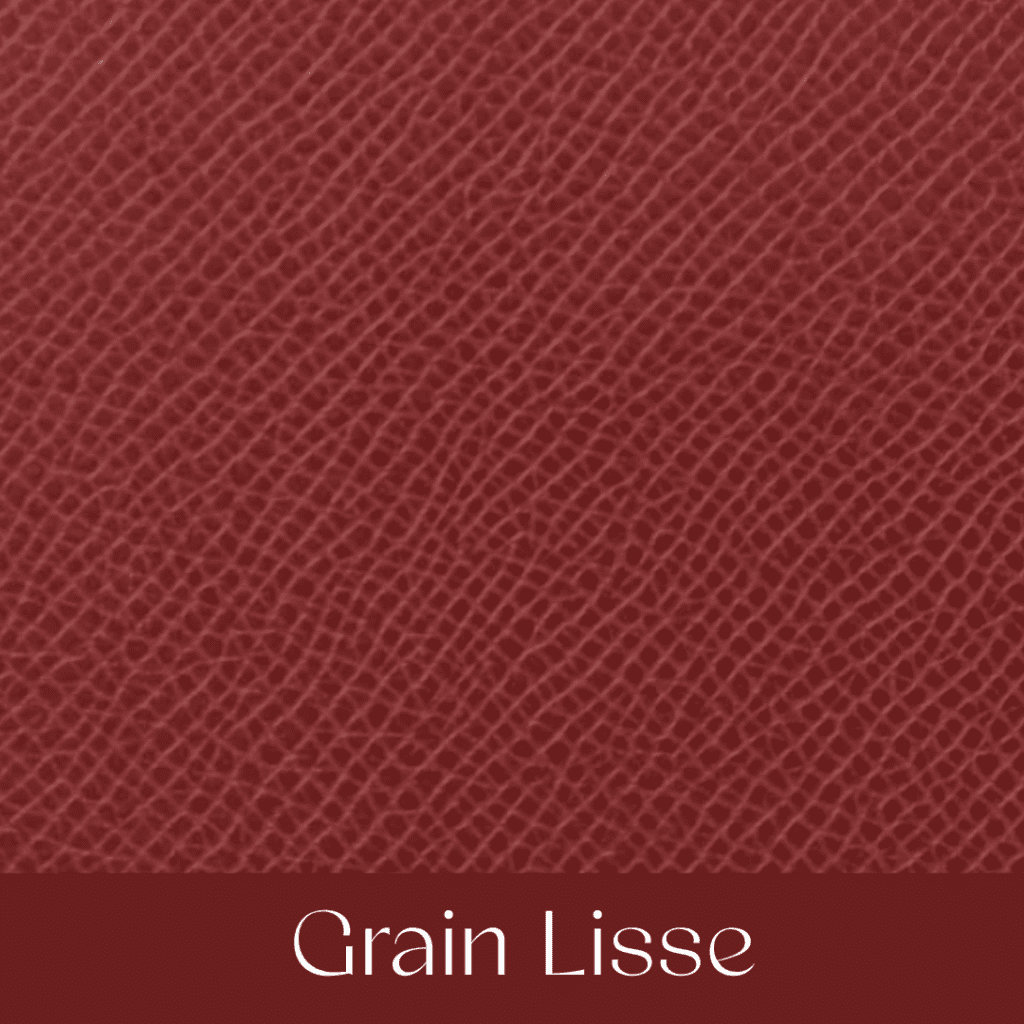
Veau Grain Lisse, or VGL, is part of the discontinued Hermès leathers. It is thin, glossy, and highly water and scratch-resistant. VGL is glazed and pressed with small yet slightly bumpy grain, giving it a gorgeous luster that is quite easy to maintain.
18. Gulliver (Discontinued)
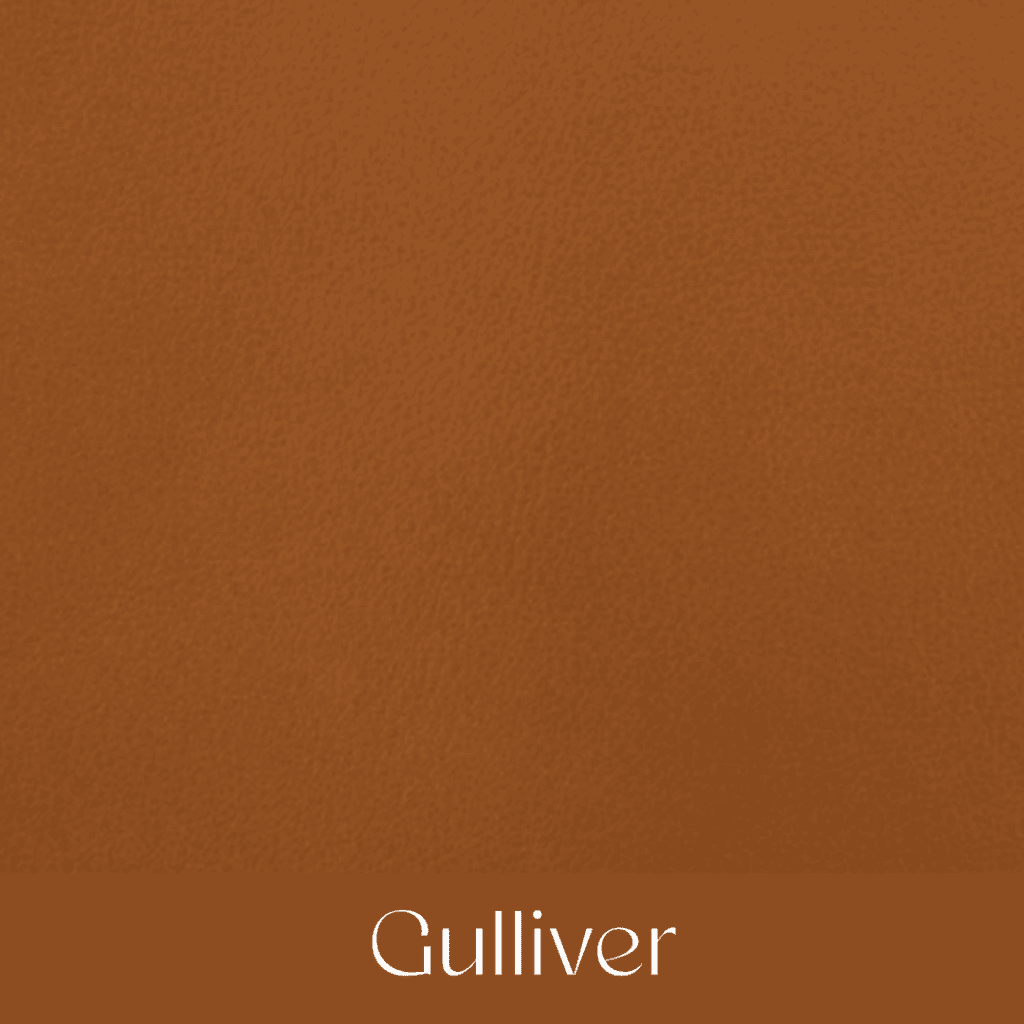
Before there was Swift leather, Gulliver leather was used to produce handbags like the Birkin. Up until 1999, Gulliver featured a very tight grain, with almost zero tactile feeling. Most bagaholics observe this leather to be thicker, more structured, and resilient compared to its modern rendition.
19. Swift
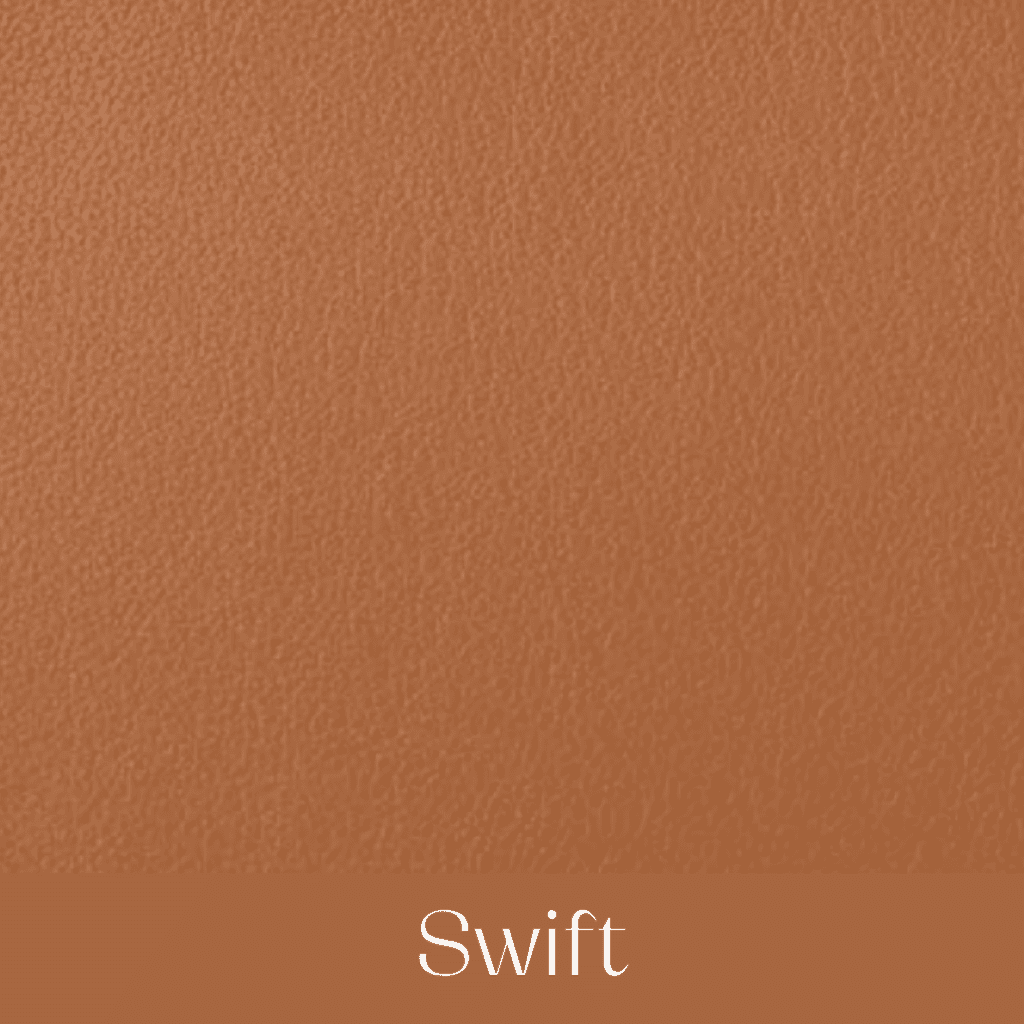
By 2005, Gulliver was reintroduced as Swift leather and made its return to the regular Hermès leathers lineup. It is said to feel ‘less processed’, softer, and slightly appear more matte, which makes colors truly pop. Swift leather can be cleaned more easily than Gulliver.
20. Jonathan

The Jonathan, Swift, and Gulliver bags all reference the classic Gulliver’s Travels and its author. Compared to the earlier two, however, Jonathan Hermès leathers are more rigid, and better likened to Box Calfskin. It is fine-grained, soft, and extremely smooth.
21. Madame
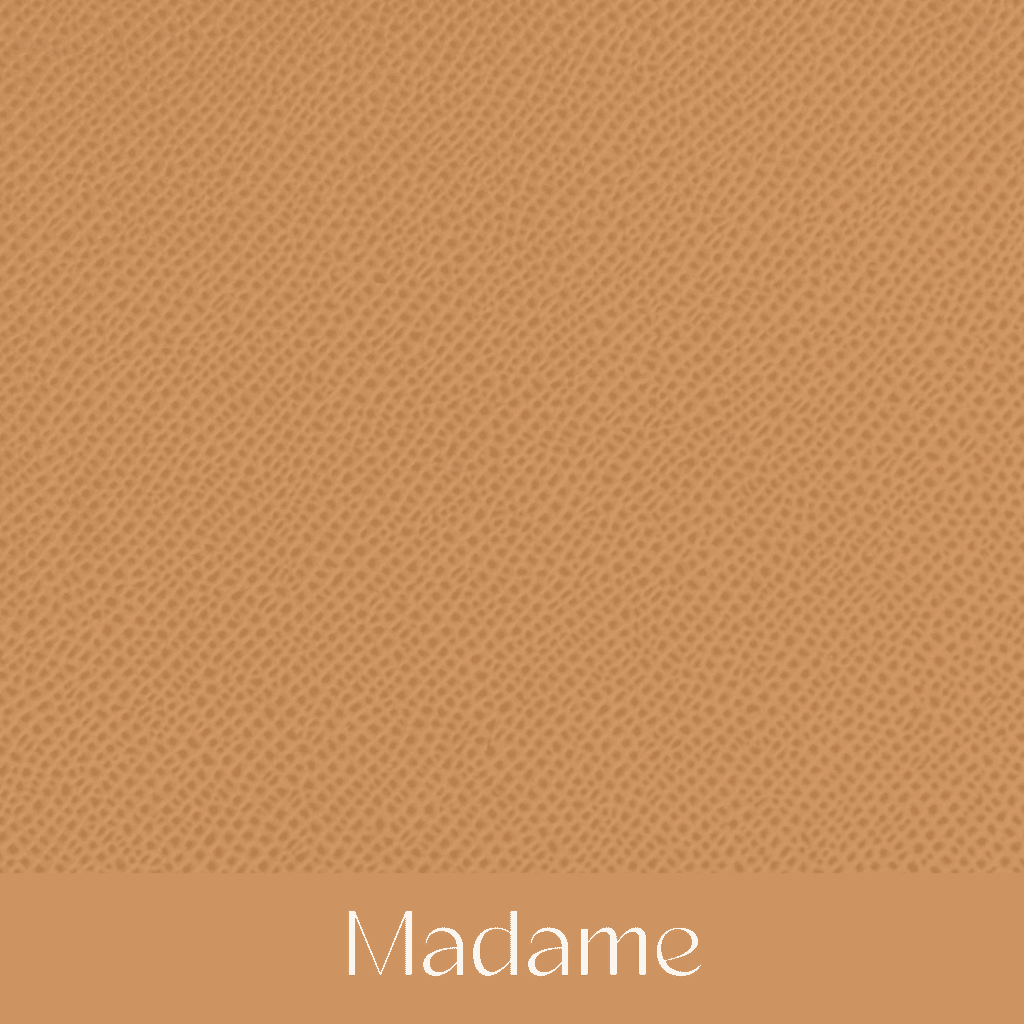
Just like Hermès Epsom leather, the Madame has a fine, smooth grain and light weight. Compared to the former, though, Madame leather is softer to touch. It is a popular material for Sellier style Birkins or Kellys, boasting a delicate sheen.
22. Monsieur
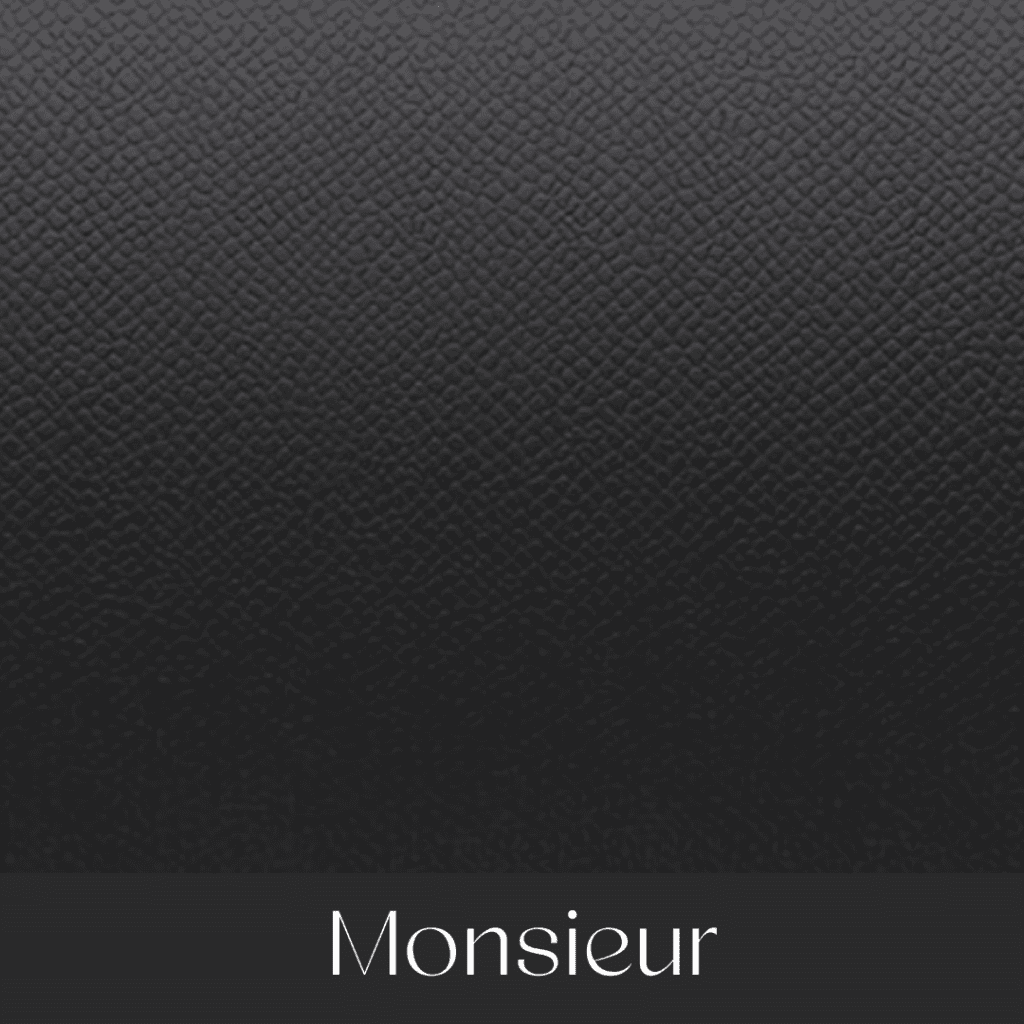
Many other Hermès leathers share similarities with the classic Box calfskin. One of them is the Monsieur. First retailed in 2018, this type of leather is substantially smooth with a modest luster and ‘board-like’ feel. It is also perfect for structured bags like the Constance, and can develop a more pronounced sheen the more you use it.
23. Monsieur Grainée
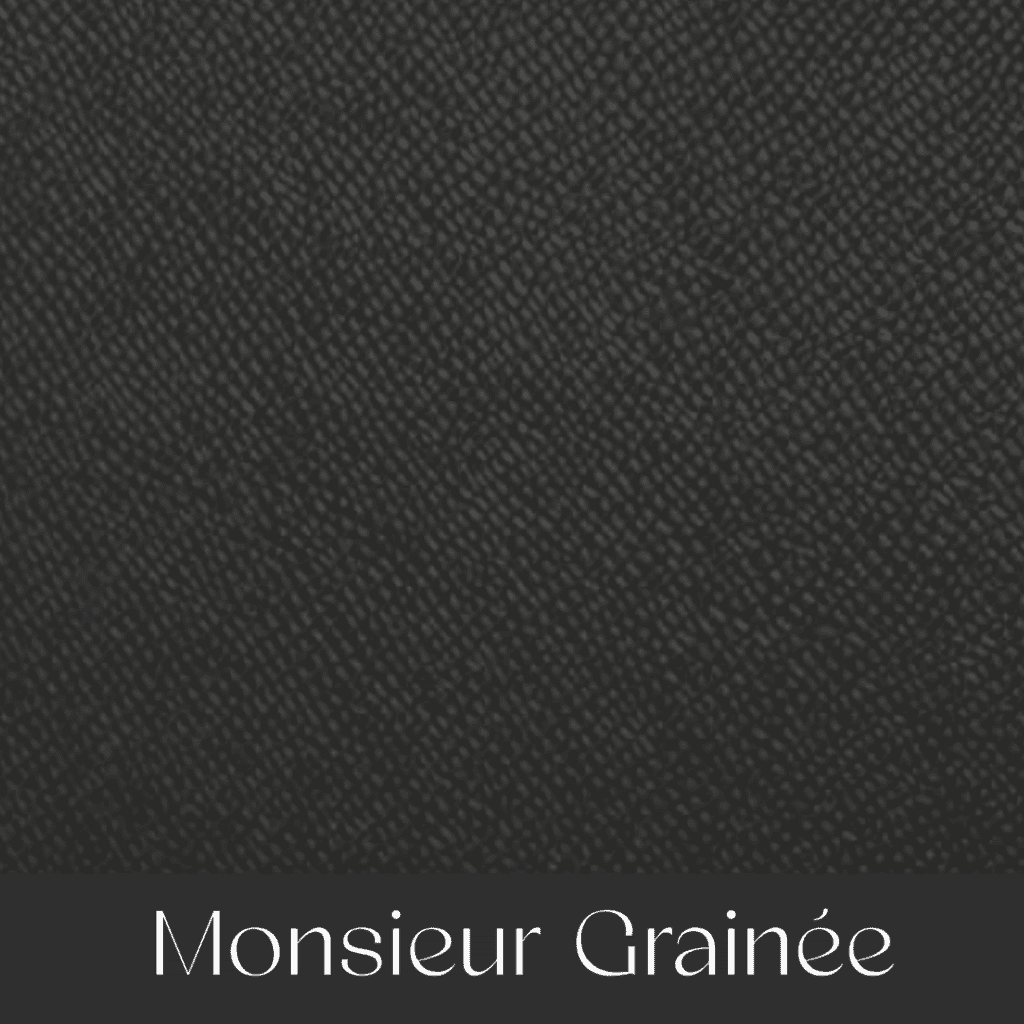
With an obvious texture, the Monsieur Grainée variant is rigid and better structured than its parent. It is comparable to the Epsom in terms of durability, but with a finer grain that exudes a more natural appeal to the carrier.
24. Negonda
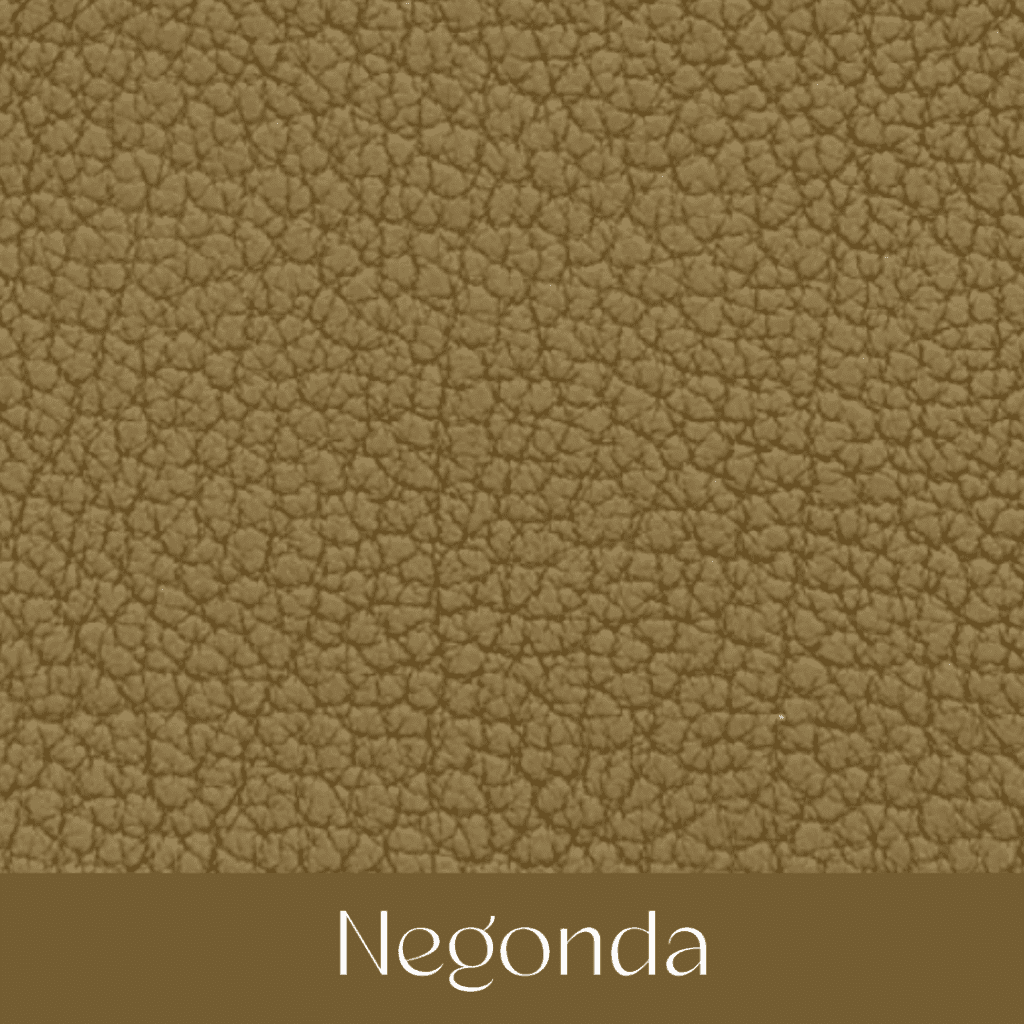
Garden Party bags utilize certain types of Hermès leathers, particularly the Negonda. It has a large grain, is supple, and semi-rigid. Negonda’s texture appeals to casual and semi-formal looks rather than that of the formal classic leathers.
25. Sikkim (Discontinued)
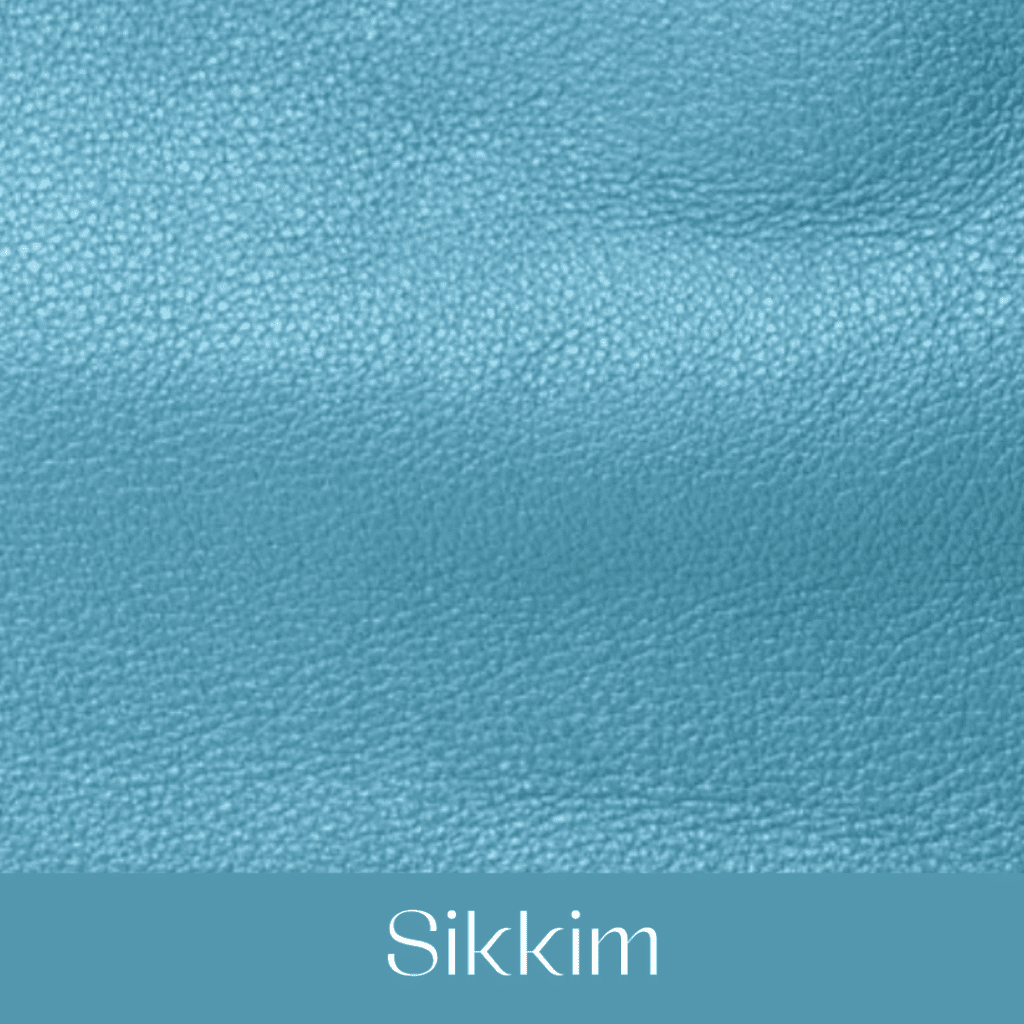
The slouchy nature of Sikkim Hermès leathers means they need careful attention and treatment. Sikkim is buttery and ultra-soft with little to no grain. It is mostly used for smaller, softer bags and accessories rather than structured pieces.
26. Sombrero
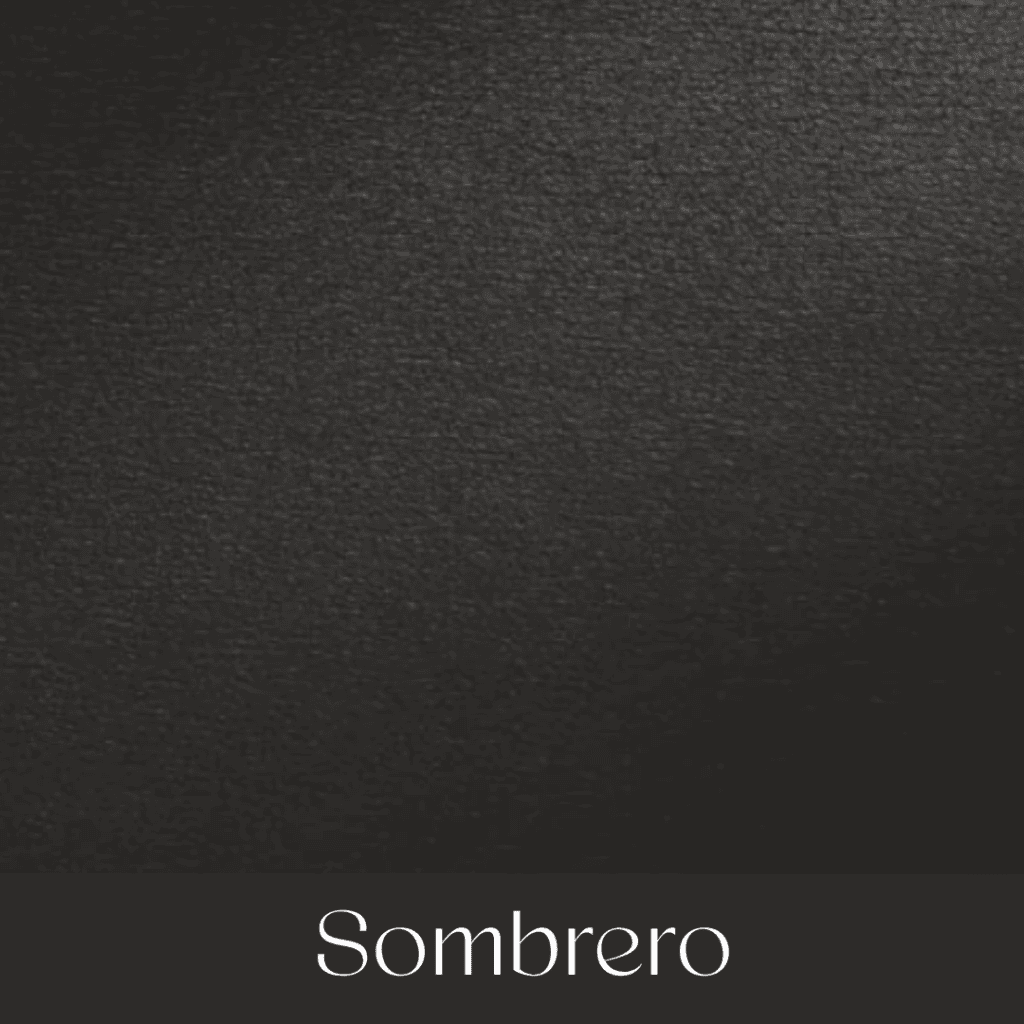
In 2011, the Sombrero leather was introduced by Hermès. Its grainy texture is fine and only very mildly pronounced. Sombrero has a smooth, matte finish that balances softness and structure, perfect for Sellier-style Kellys and the Constance.
27. Tadelakt
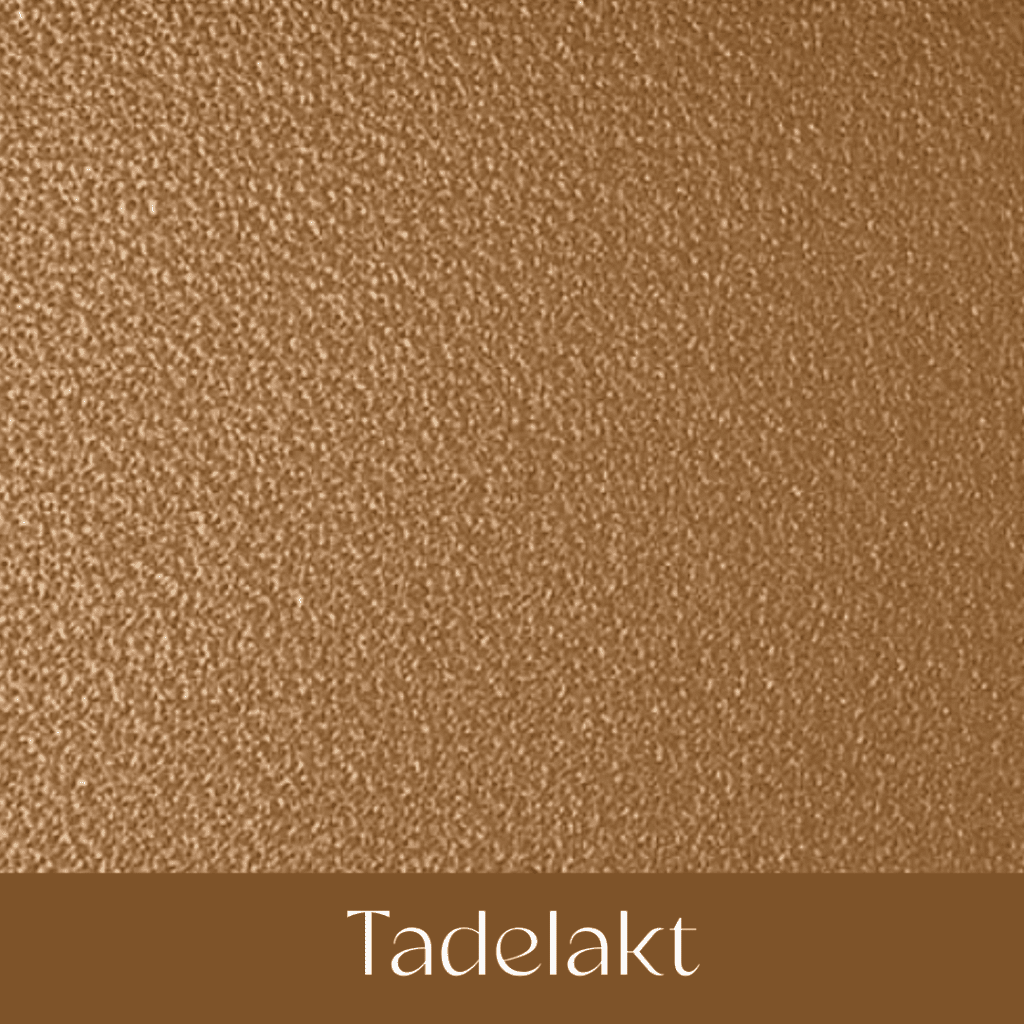
Similar to Box leather, Tadelakt is also soft and smooth to touch. It is also quite susceptible to scratches and water damage because of little grain. It appears more lustrous, with better color absorption and a silkier surface. Tadelakt is produced intermittently and in limited quantities.
28. Troika
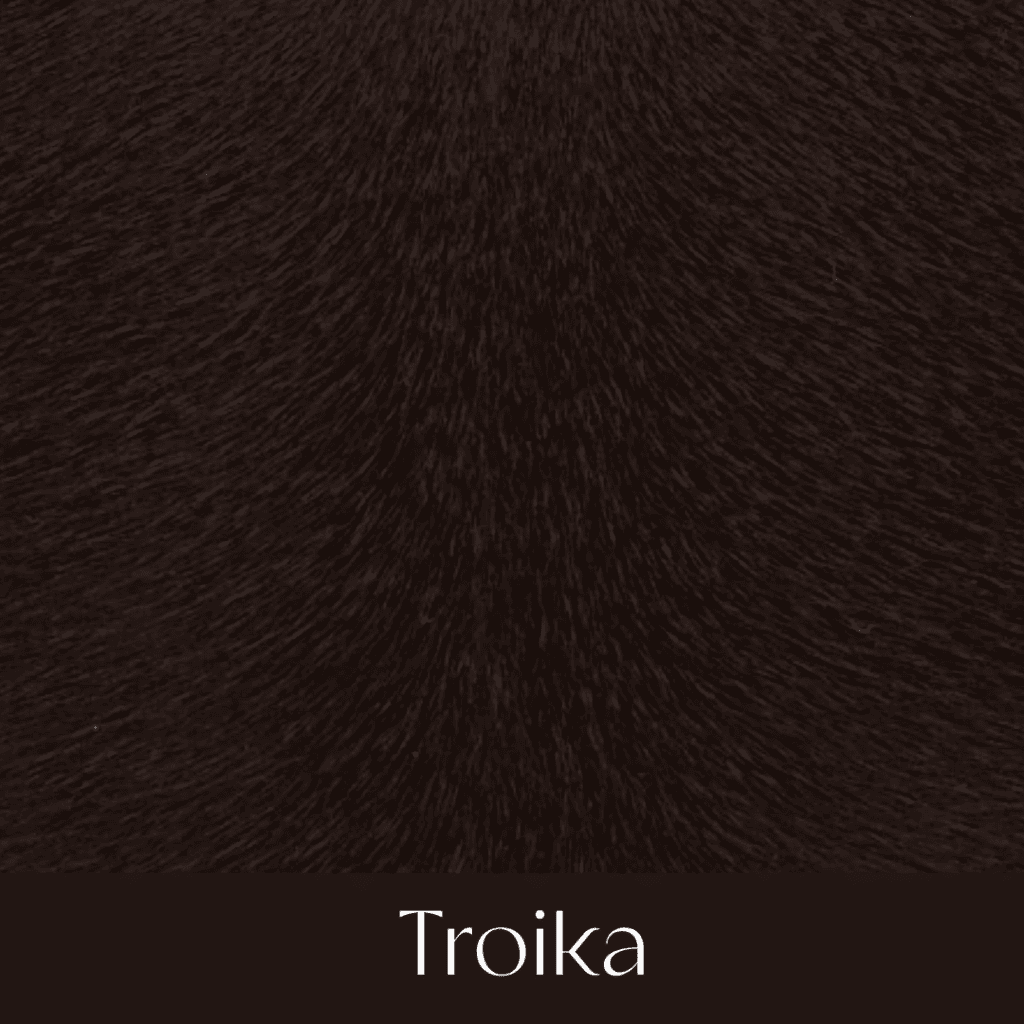
Troika is a rare find among the different types of Hermès leathers. It is known for its distinct texture, covered in smooth calf hair (at times referred to as pony hair). Troika was commonly used in combination with other calfskin leathers on bicolor bags.
29. Volynka
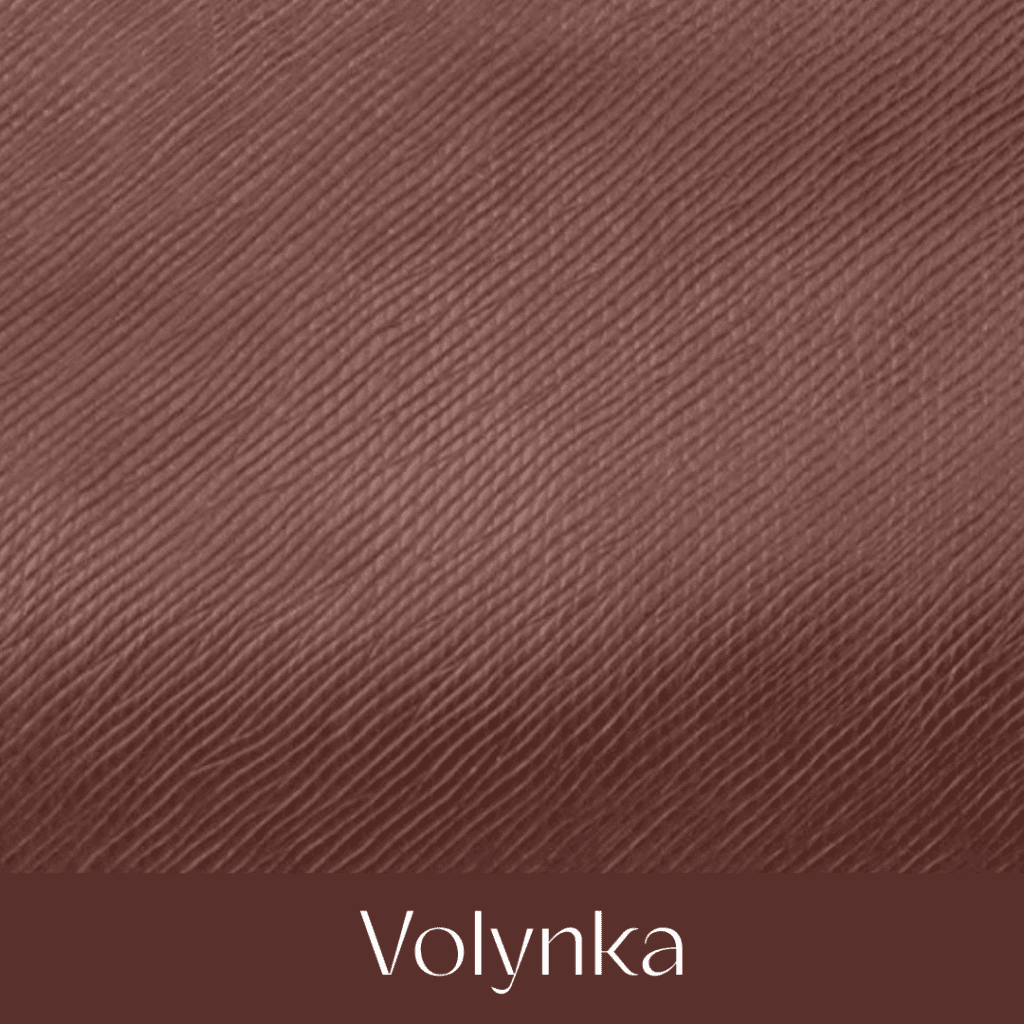
The reddish Volynka Hermès leathers are a product of Hermès’ study on bringing back a traditional Russian manufacturing method. The material was considered lost in the 1700s and successfully brought back by the brand in 2018. It is characterized by its midweight, solid feel, and crosshatch grain.
Pigskin Hermès Leathers
1. Peau Porc
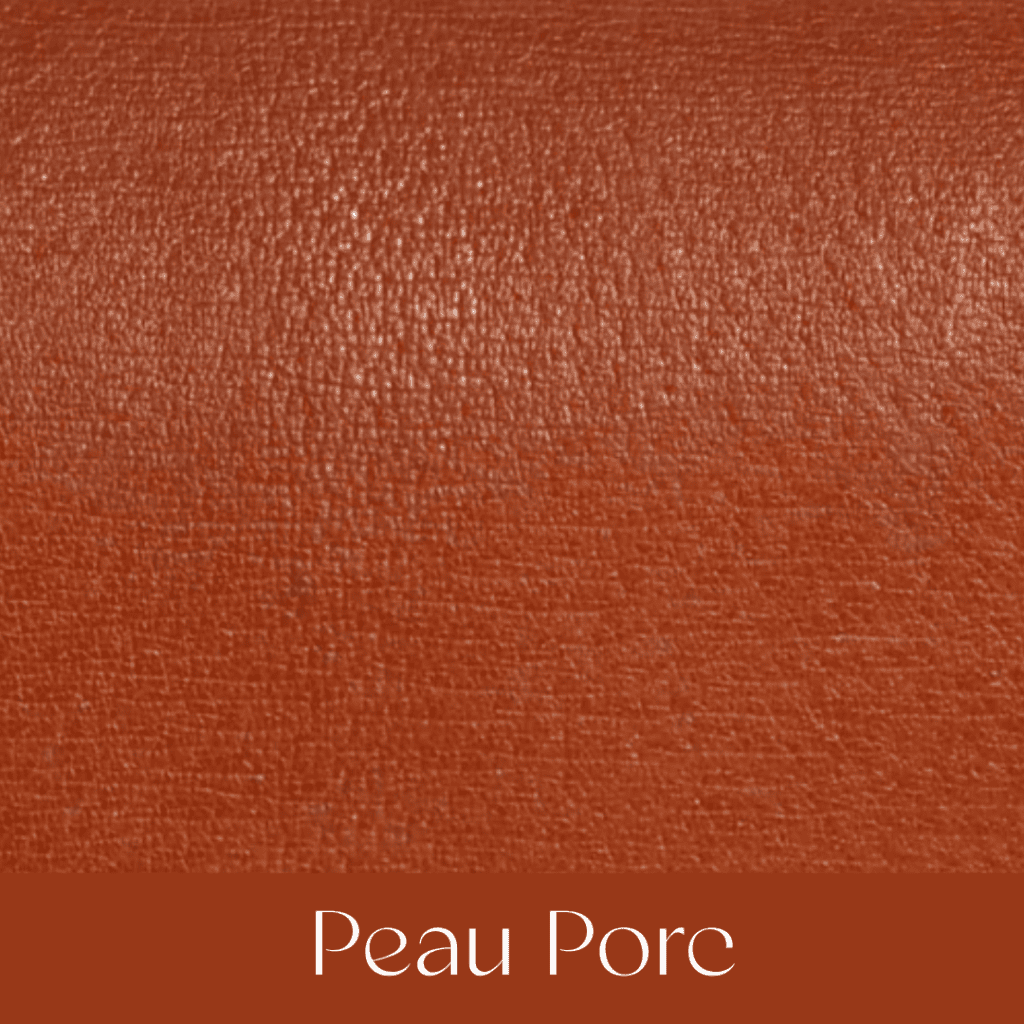
Peau Porc leather is sourced from pigskin, and is known to be durable, lightweight, and to develop a beautiful patina. It is not water-resistant, however, and must be kept with delicate care.
NOTE: Vintage Hermès leathers like the Peau Porc were generally discontinued sometime during the late 1990s, but its reemergence in production was reported on online luxury bag forums around 2018 to the early 2020’s.
Lambskin Hermès Leathers
1. Milo
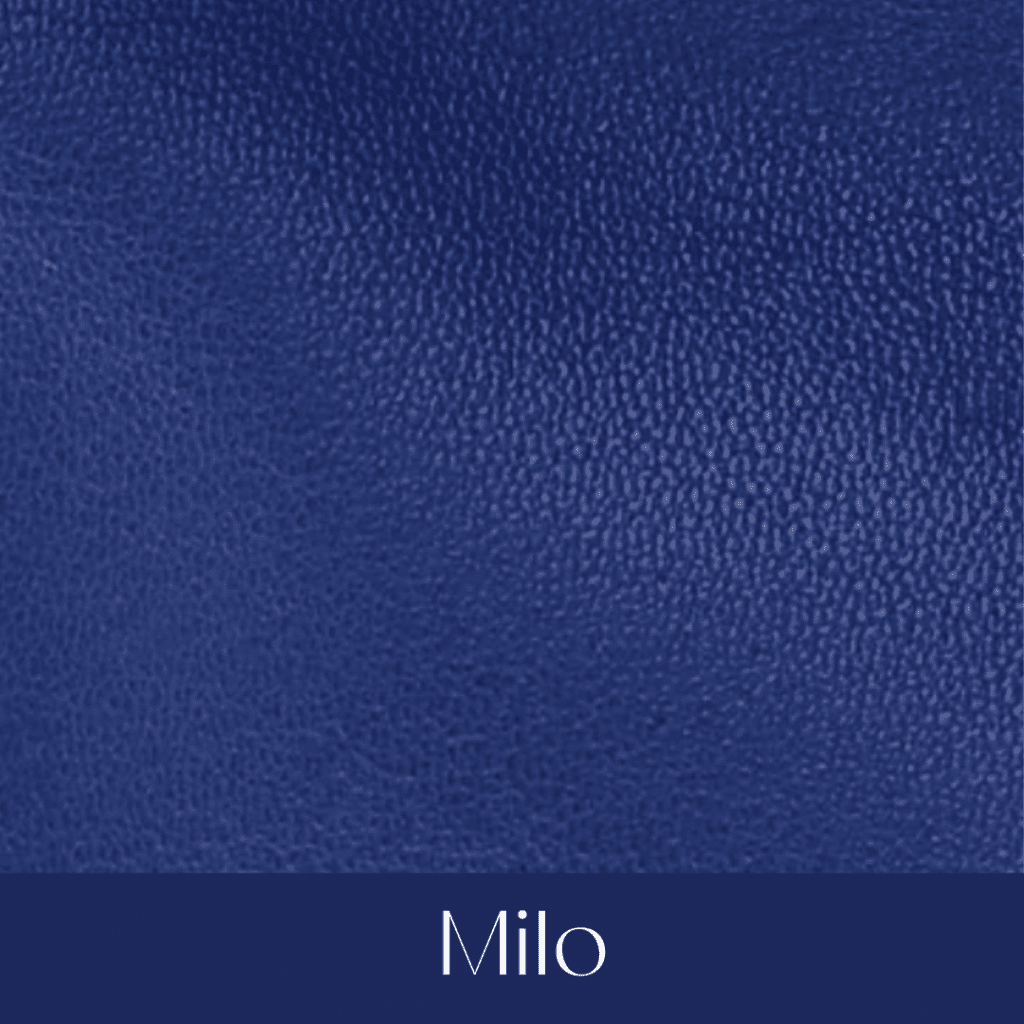
SLGs like the Rodeo and Pegase charms are typically crafted with the Milo Hermès leathers. It is sourced from lambskin, which is not used for their handbags. Milo leather is soft and supple, and has excellent color absorption.
2. Shearling
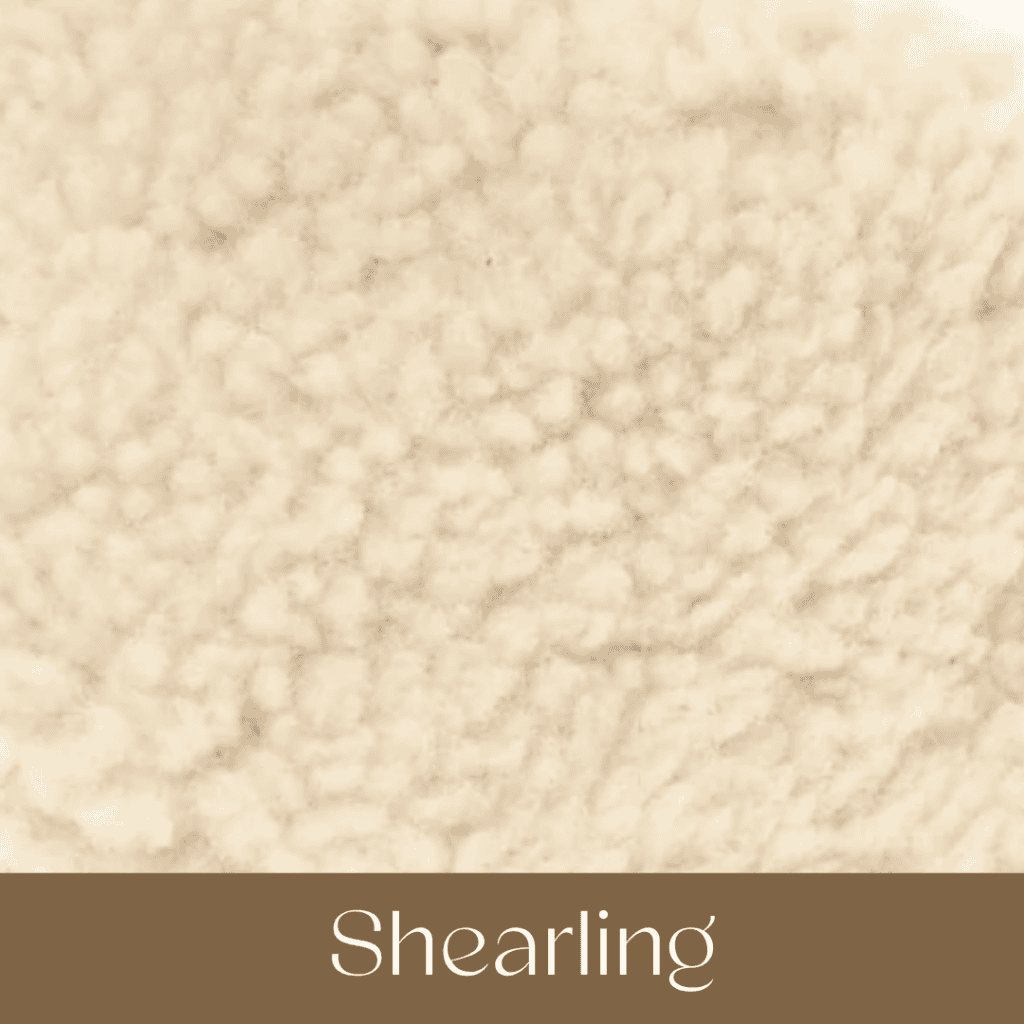
Although Hermès leathers like shearling are mostly used for winter coats, they also produced bags that combine it with other materials. Shearling is sourced from lambskin: wool on one side, and sleek suede or leather finish on the opposite.
Buffalo Hermès Leathers
1. Buffalo Sindhu (Exclusive Use)
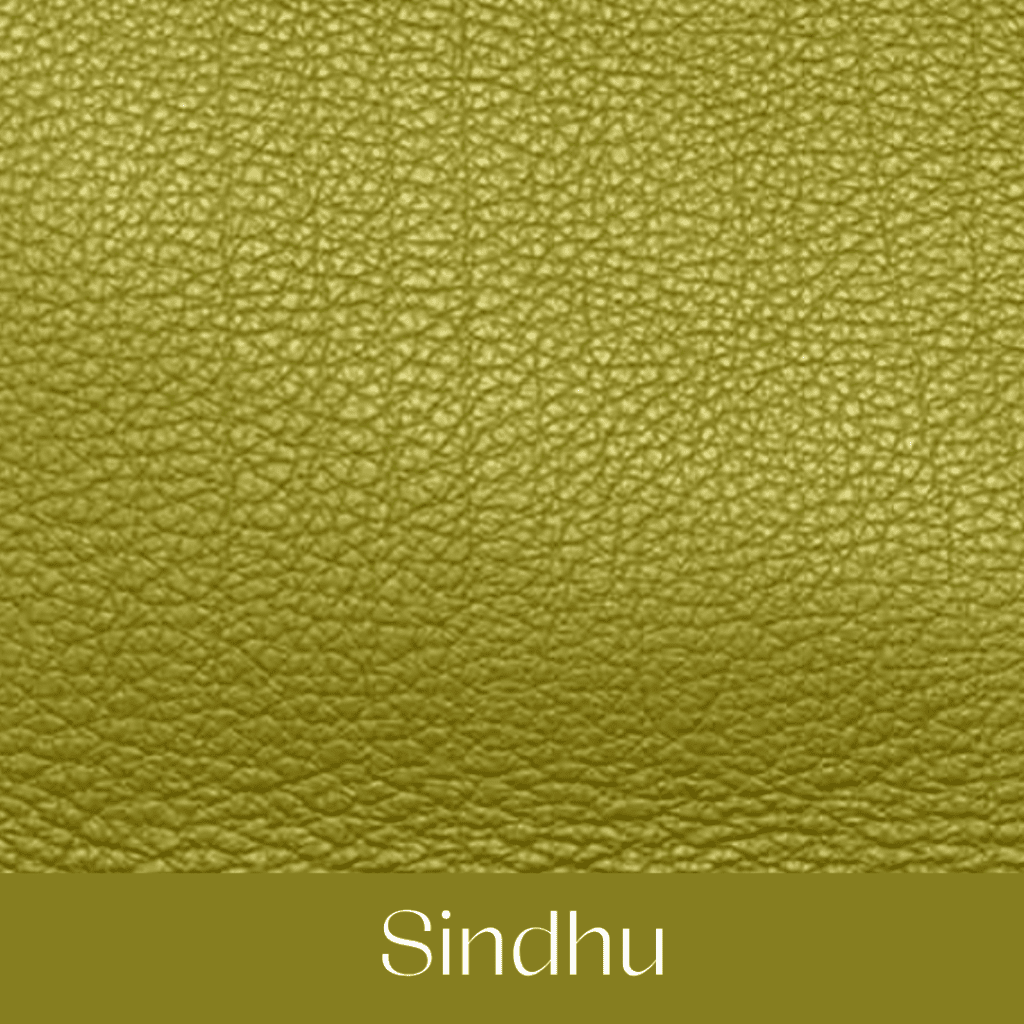
Introduced in 2007, it was exclusively used in the Garden Party (Green Party) tote line. The Buffalo Sindhu is durable, scratch and water-resistant. It holds its shape very well and is ideal for work purposes and medium to heavy-duty use.
2. Buffalo Gala (Exclusive Use)
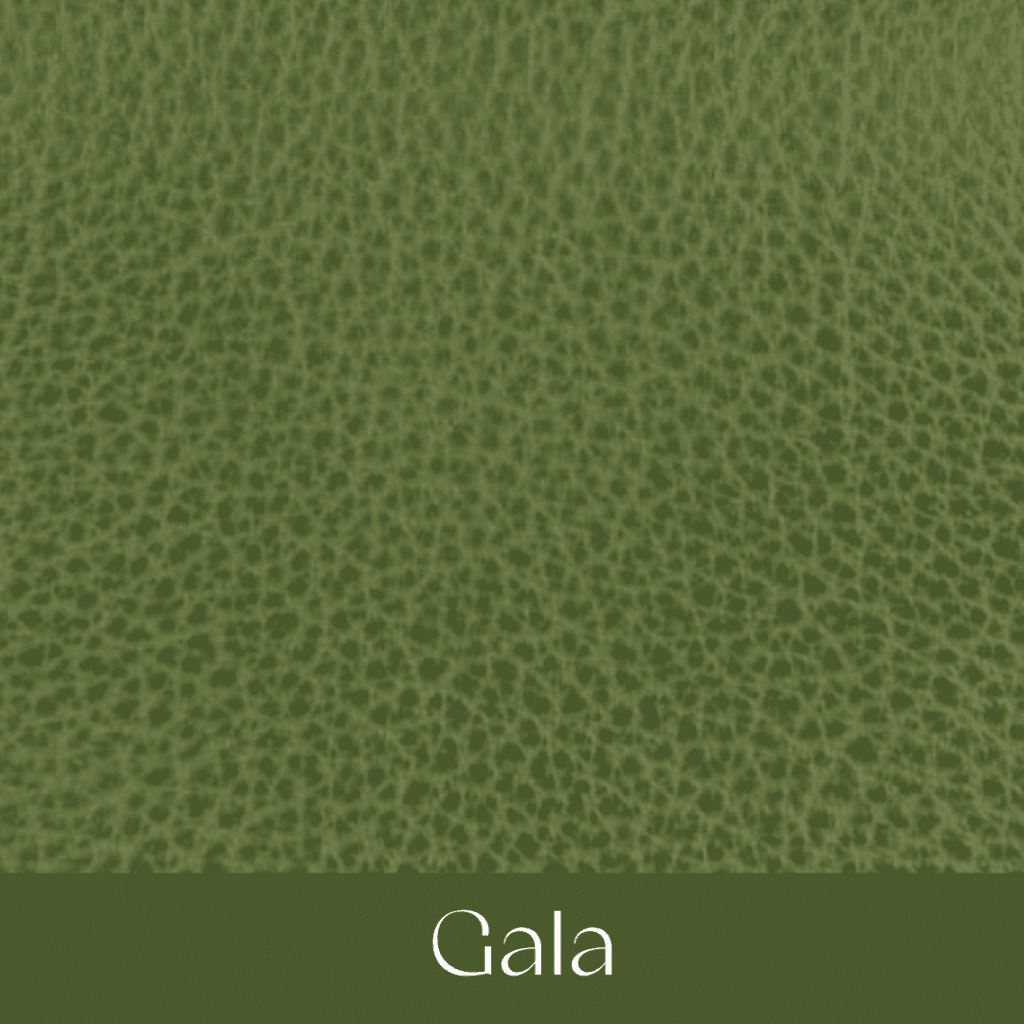
Like the Buffalo Sindhu, the Buffalo Gala was intended for exclusive use. It was particularly for the smallest leather goods, such as wallets and coin purses, rather than bags. It has a soft and delicate texture. It is one of the Hermès Leathers that requires extra care. It bears a gorgeous, natural grain that suits many SLGs and smaller accessories.
3. Buffalo Pondicherry (Discontinued)
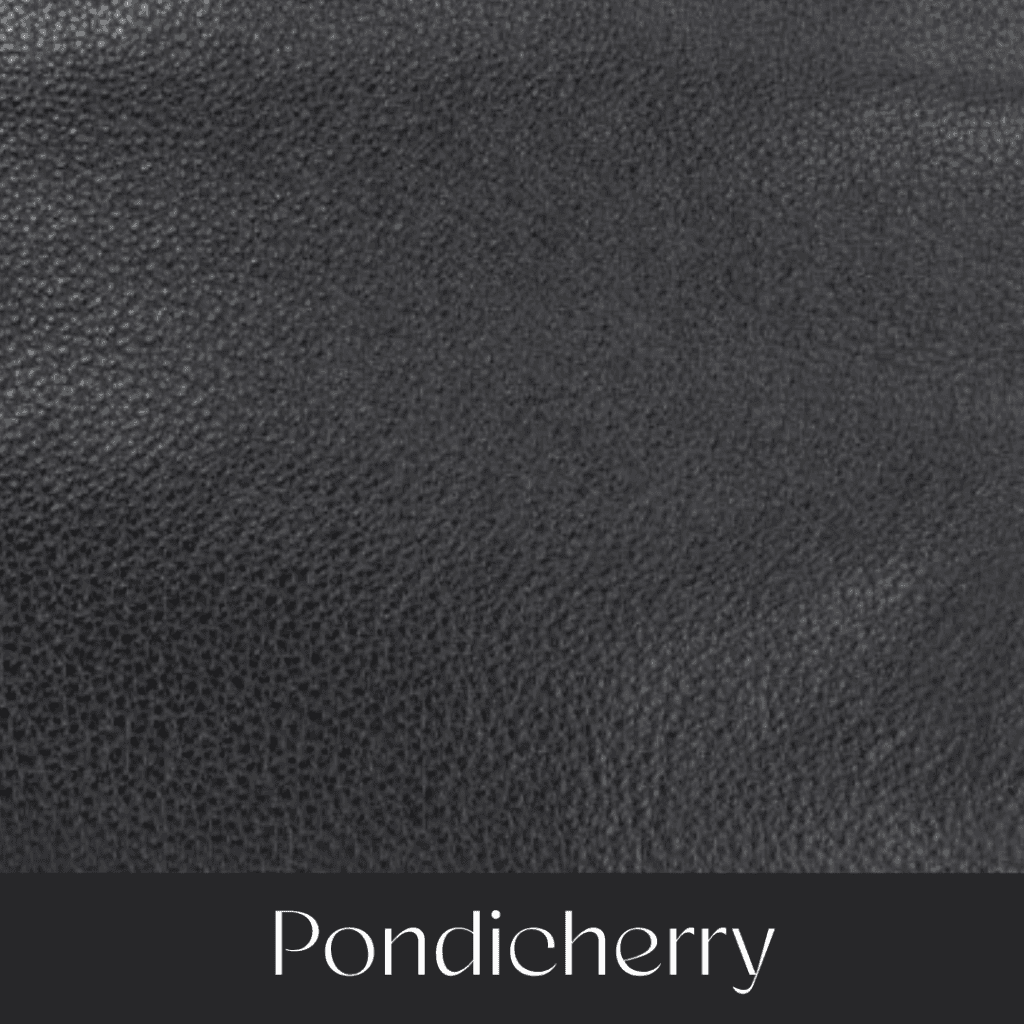
Hermès uses natural dyes and waxes to condition, soften, and tan Pondicherry leather. This type of Buffalo Hermès leather is slightly grainy and possesses great resistance to water and scratches.
4. Buffalo Dalmatian / Buffalo Skipper (Discontinued)
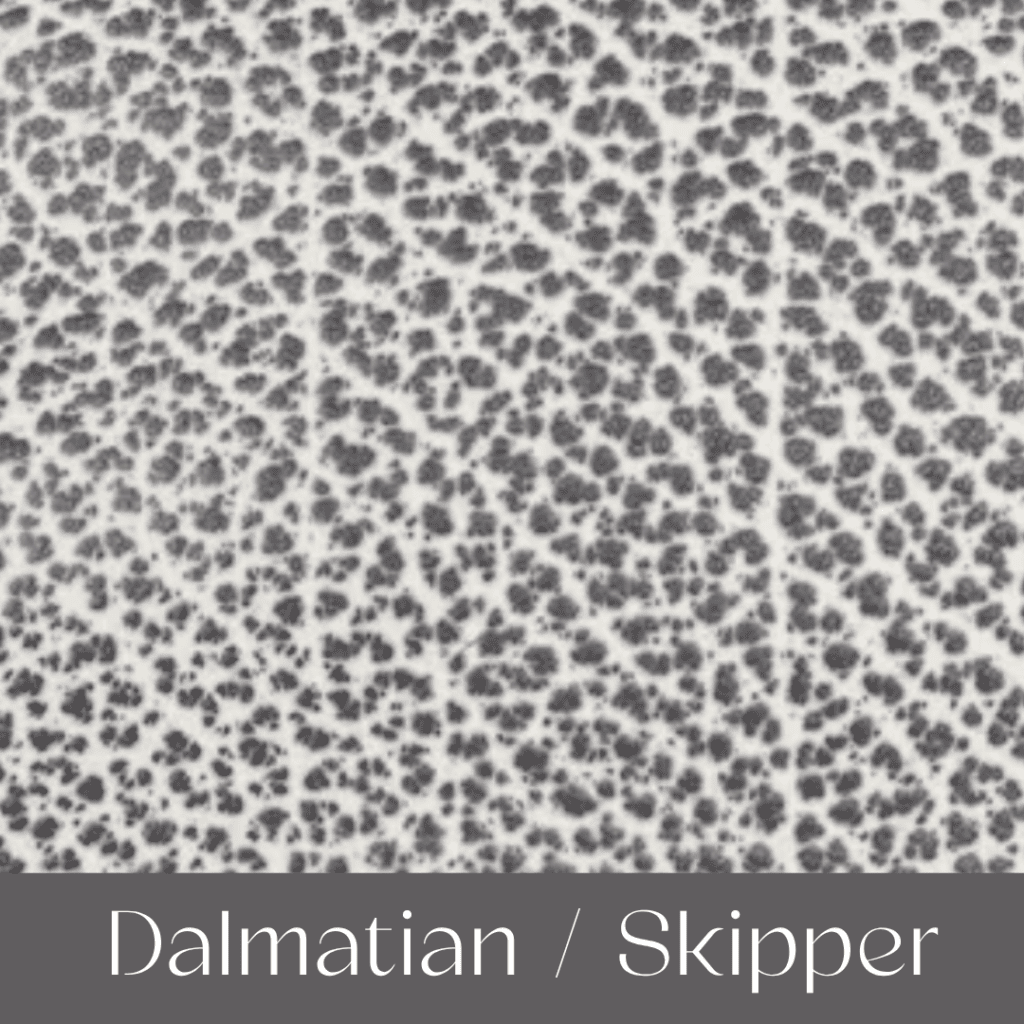
The discontinued Buffalo Skipper leather is quite rare and unique. It is also called “Dalmatian” due to its spotted black and white colors, a visually stimulating pattern achieved through a dual dyeing process. Beyond its appearance, Skipper is coveted for its flexibility and sturdiness.
Bull Hermès Leathers
1. Clemence / Taurillon Clemence
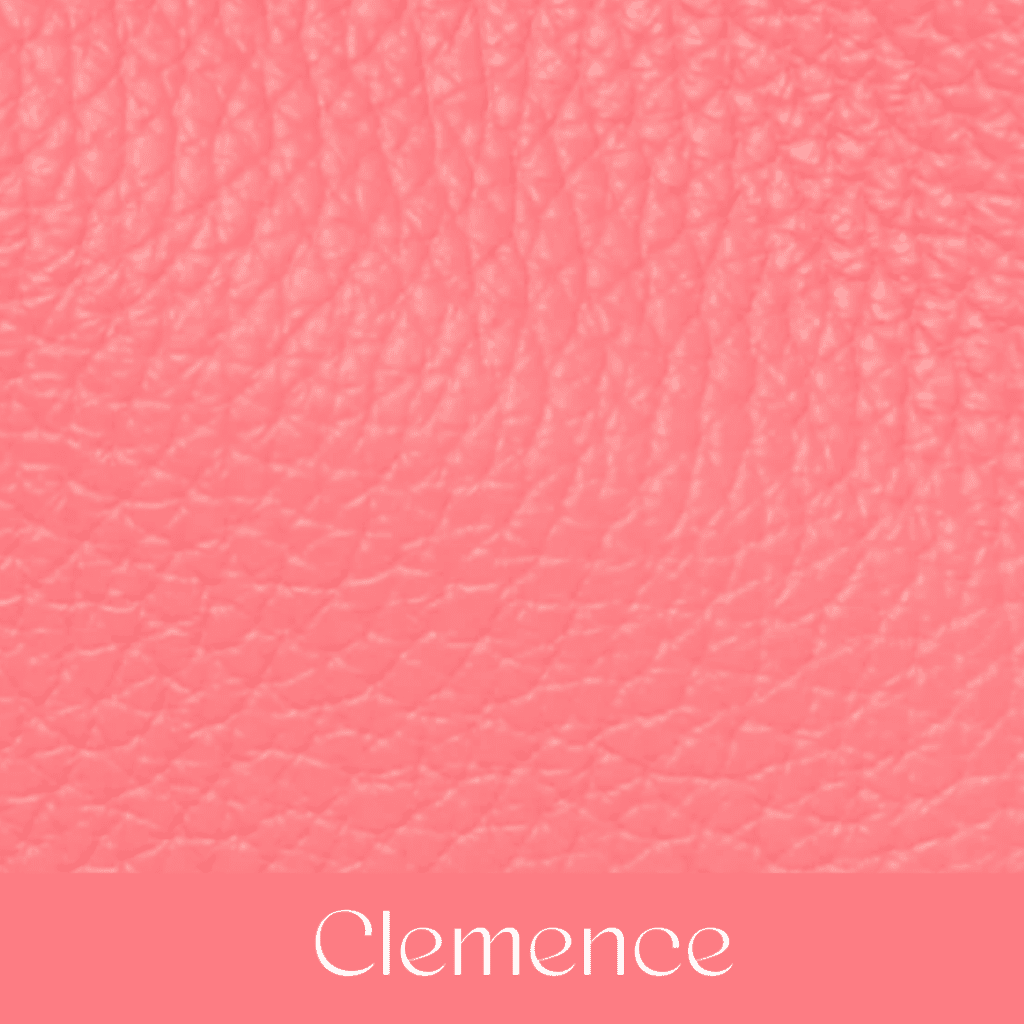
If you’re a fan of bigger, slouchier luxury handbags, Veau Taurillon Clemence, or simply known as Clemence, could be the right one for you. It appears similar to Togo, but with larger, more prominent pebbling, a softer slouch, and a matte finish. Weight can be a defining factor when it comes to Clemence, as it is one of the slightly heavier Hermès leathers. Although it is one of the sturdiest types, it tends to show water marks even after care.
2. Taurillon Maurice
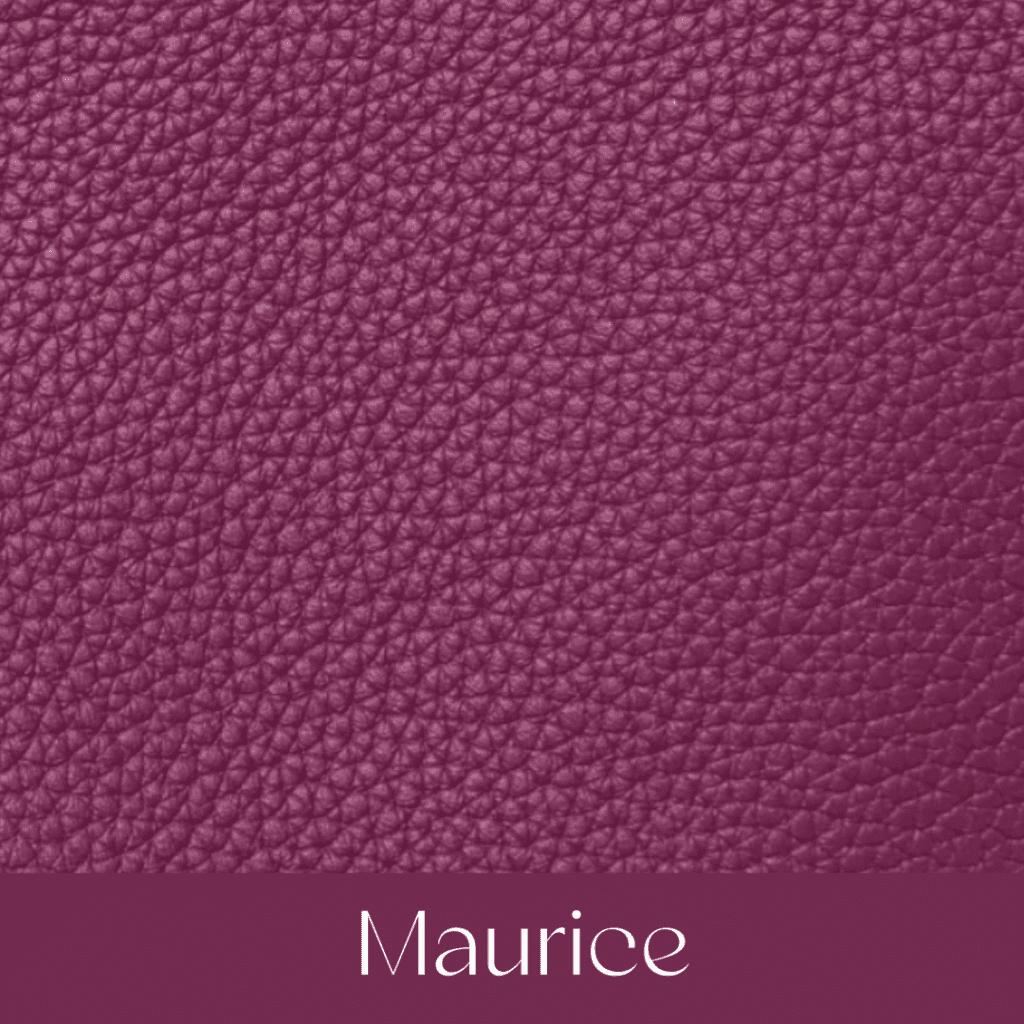
Maurice belongs under the Hermès leathers sourced from bullcalf. Introduced in 2017, it features similar characteristics to Clemence, but is far better at holding its shape. Maurice has a slight grain and luster that reflects various colors excellently.
3. Taurillon Novillo
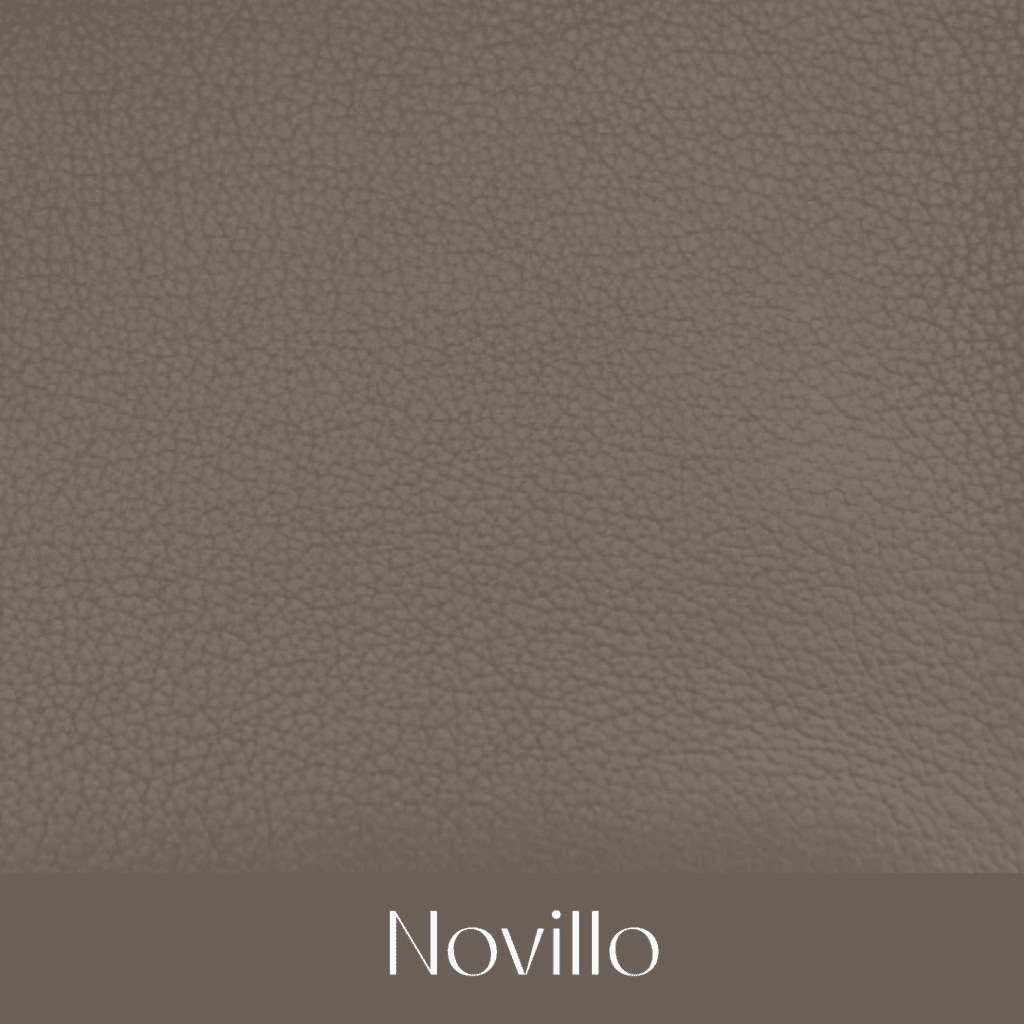
Evercolor or Togo fans will appreciate the Taurillon Novillo. It is one of the types of Hermès leathers with semi-fine natural grain that can absorb vibrant colors with ease. Novillo leather is also less structured and more sensitive to scratches, but can appeal to luxury collectors who prefer slouchy silhouettes.
4. Taurillon Cristobal
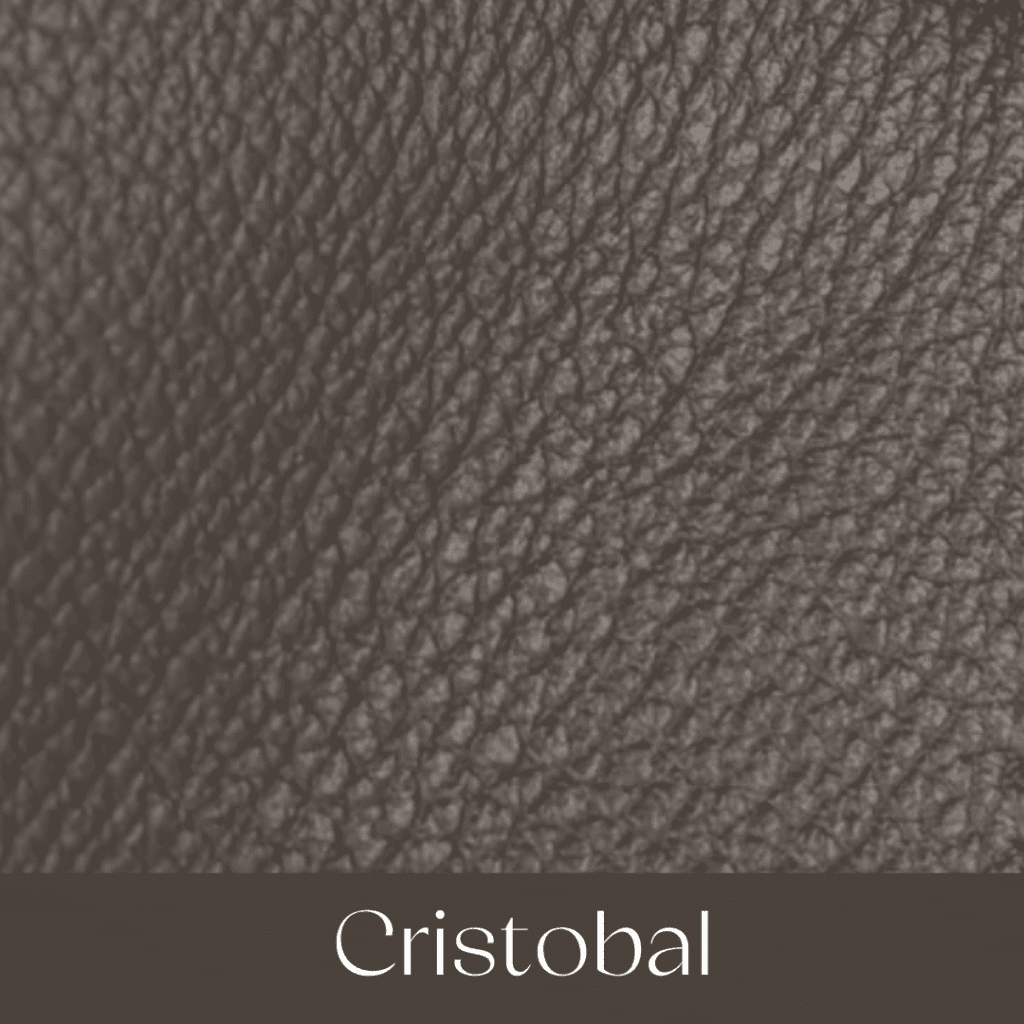
The Taurillon Cristobal is one of the rare Hermès leathers. It is no longer part of regular seasonal production and not available for custom special orders. It is primarily used for men’s bags and other leather goods, such as the Cityback and Cityslide. It has visible grains but moves softly against items and the wearer.
Cowhide Hermès Leathers
1. Vache Country
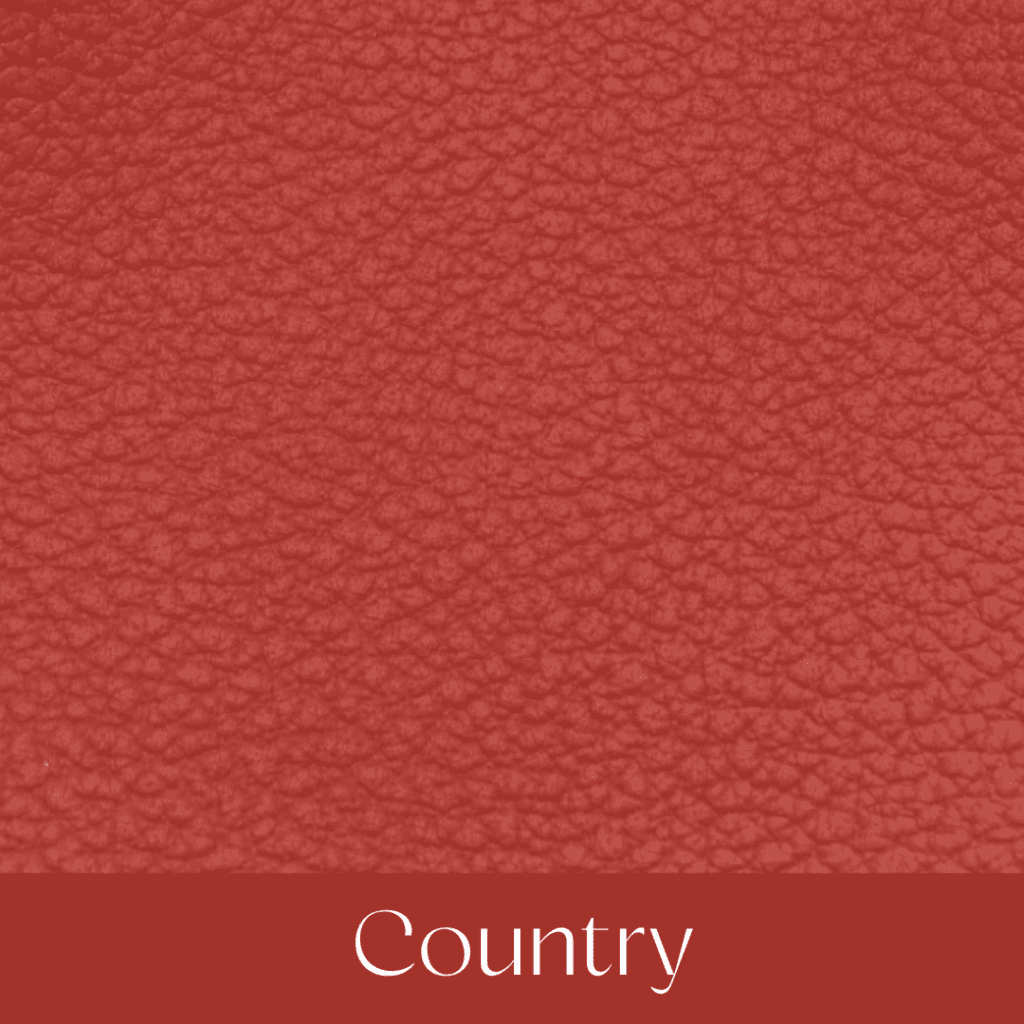
This type of Hermès leather is no longer part of regular production. Vache Country is used for the Garden Party line. Sourced and processed from cowhide, it is known for its large grain size, firm and sturdy feel, and slightly heavier weight compared to Negonda.
2. Vache Naturel / Naturelle
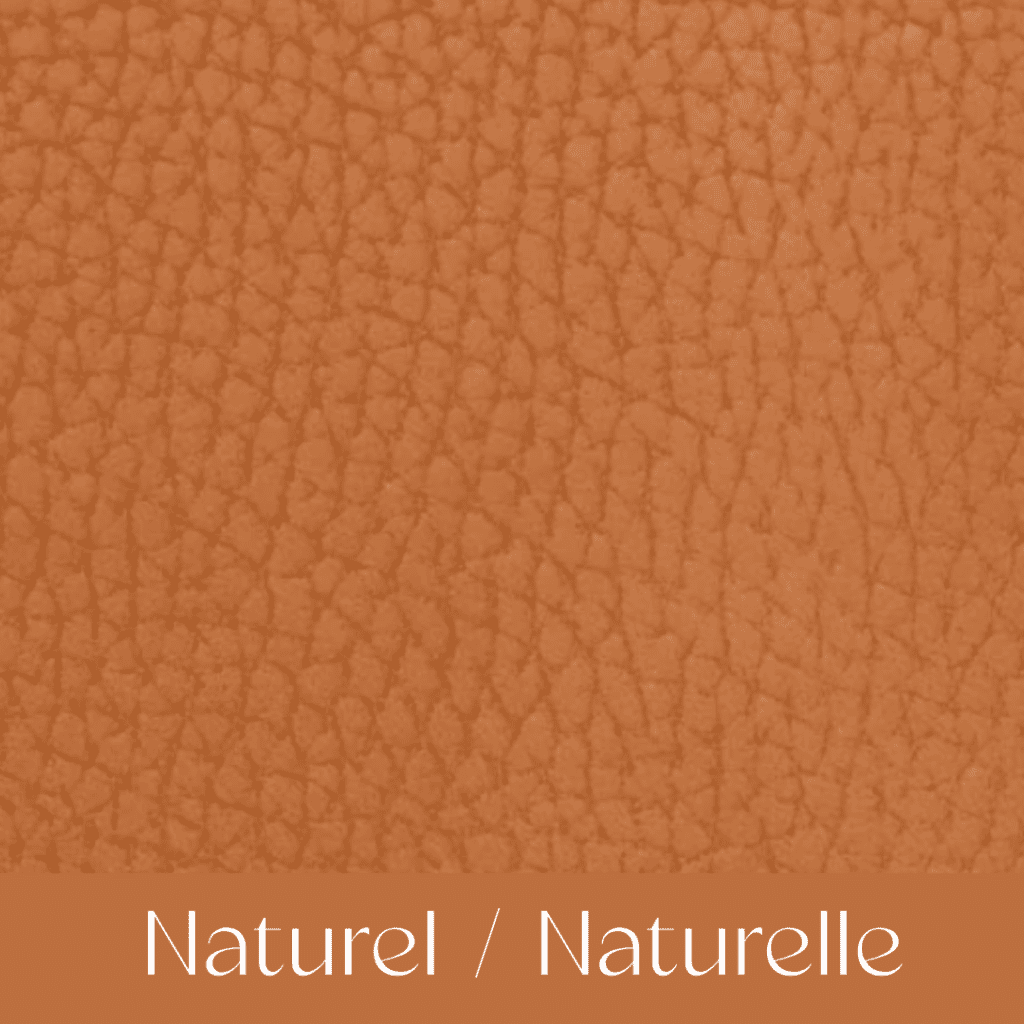
Naturel or Naturelle is one of the Hermès leathers once used for iconic bags but is recently reserved for specialized items. This heritage leather is a rare, intermittent classic often likened to Barenia, especially when it comes to its smooth and silky feeling. On the other hand, Vache Naturel is lighter, slightly paler, and holds shape better. Most bagaholics observed, however, how much less resistant this leather is to scratches and water than the Barenia.
3. Vache Hunter
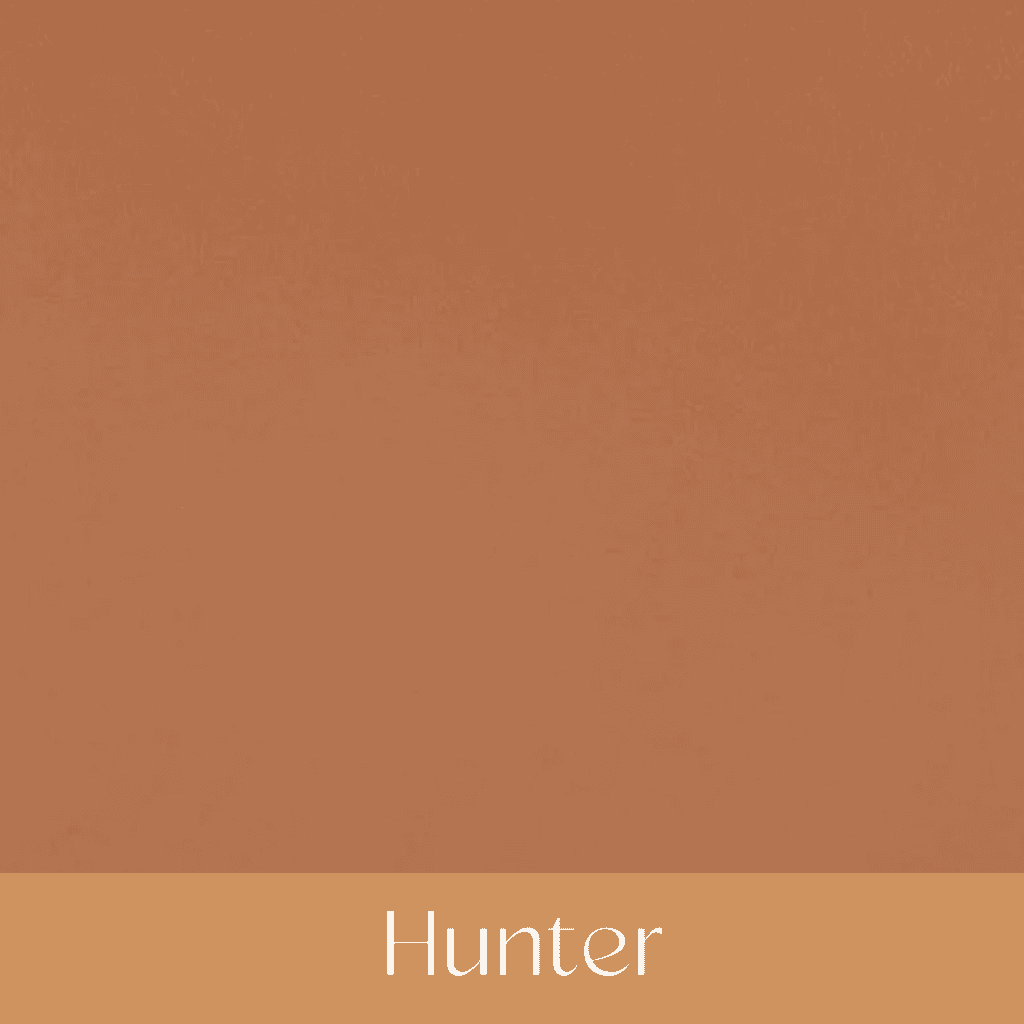
Rather than to craft an entire bag, Hunter Hermès leathers are used to trim certain handbag styles, such as the Herbag. It is mostly used in producing SLGs and other accessories.
4. Vache Liegee (Discontinued)
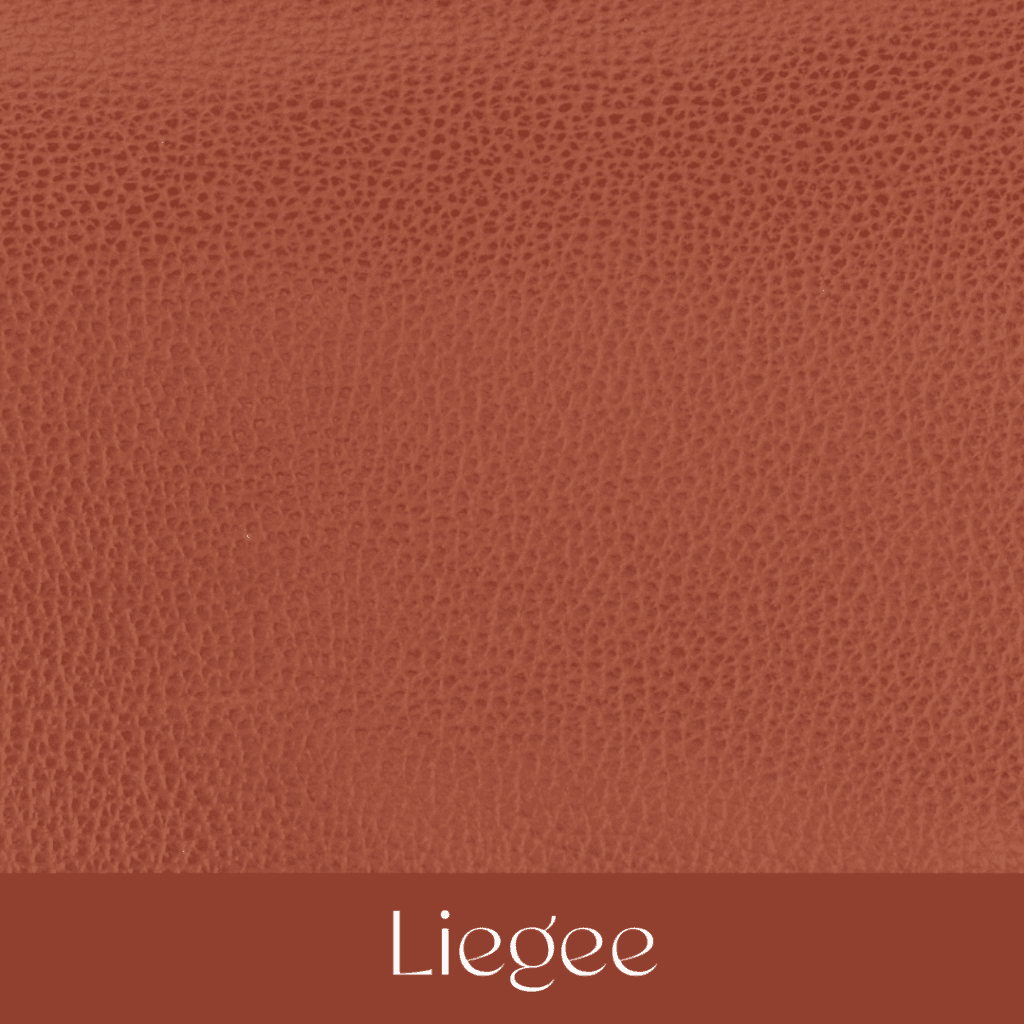
Liegee was introduced as a replacement for the Ardennes in 2004. Despite its beautifully pronounced grain and ability to hold structure well, it became known as one of the heaviest Hermès leathers. It was discontinued roughly five years later, but still remains a great option for larger, workhorse-type bags.
5. Fjord (Discontinued)
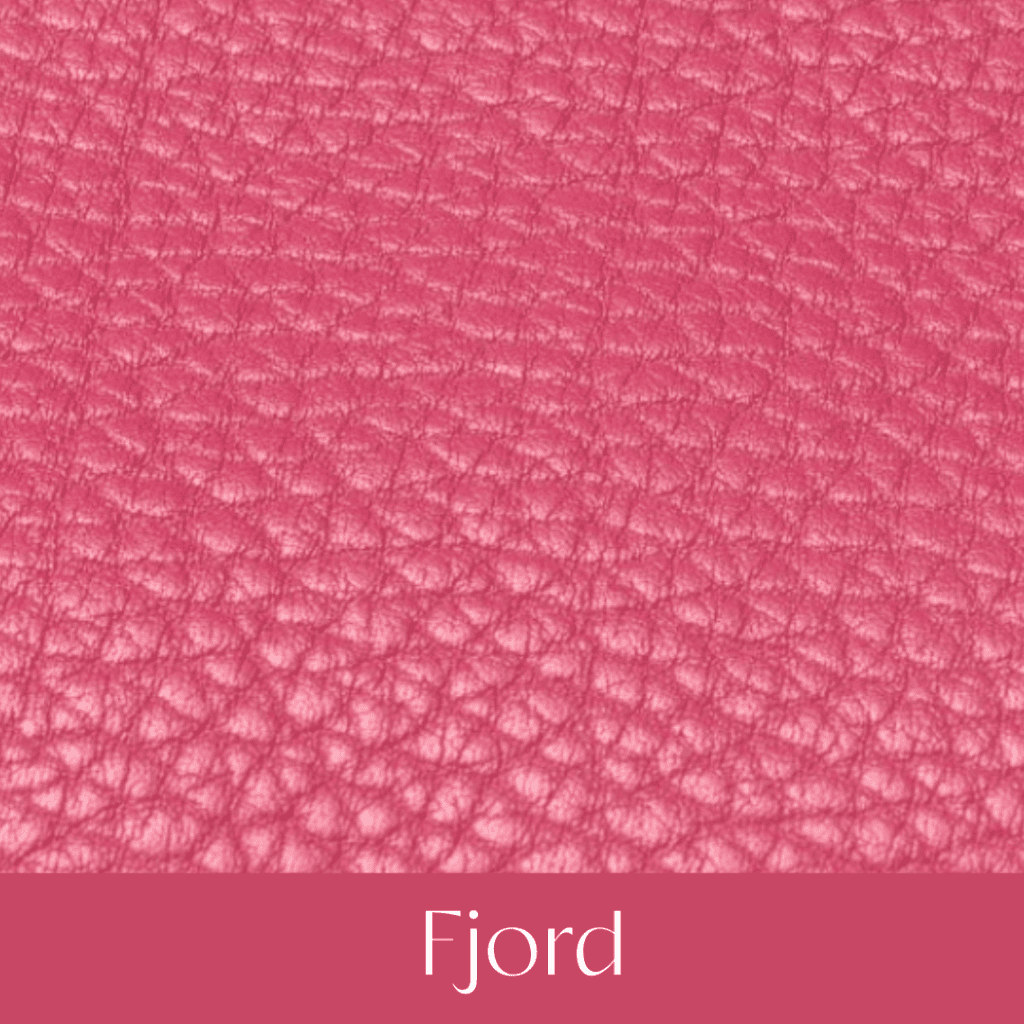
The heavy types of Hermès leathers continue with the Fjord. It carries an elegant, veiny grain, with a velvety finish and matte look. Due to its thickness, weight, and substantial hard-wearing material, Fjord was regarded as the best material for heavy-use handbags. It was phased out some time ago due to the impractical weight.
6. Vache Trekking
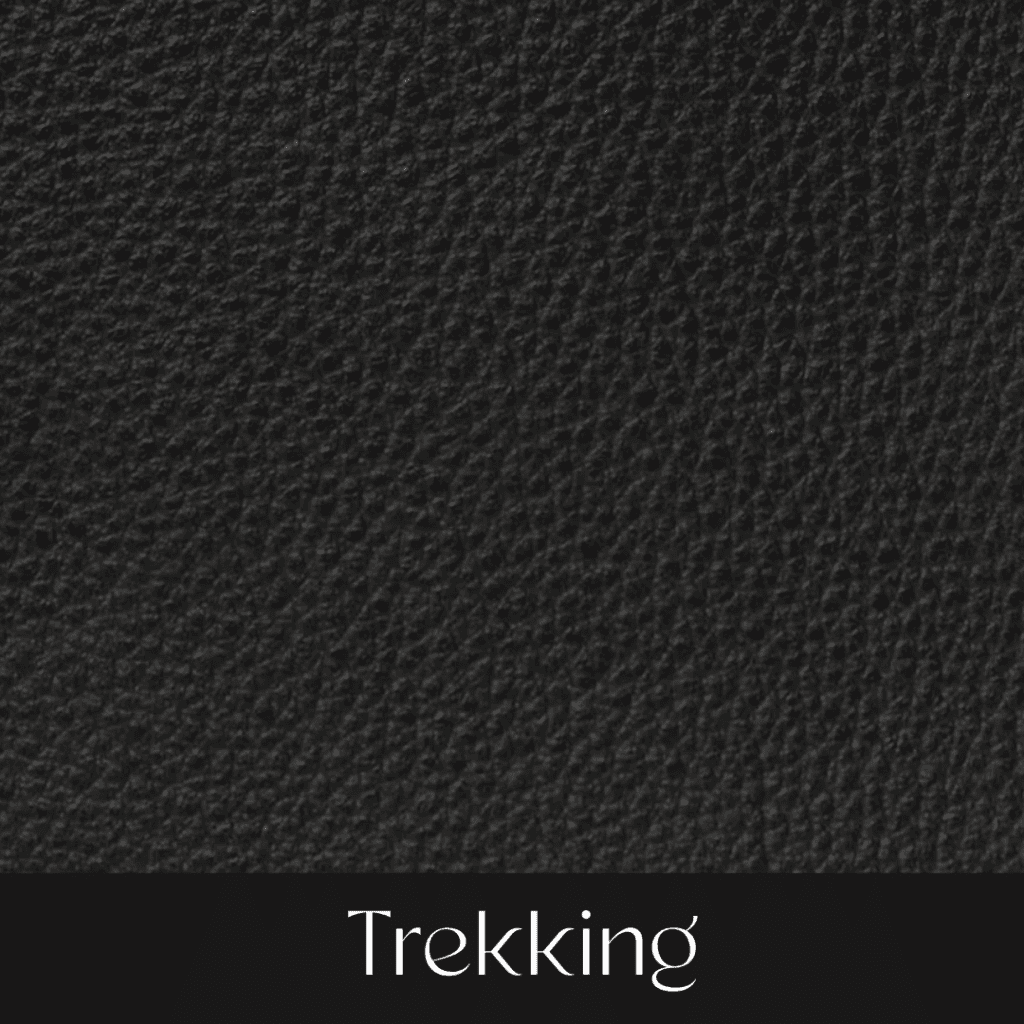
Trekking is one of the rare Hermès leathers. Nowadays, it is seldom used on handbags. Its rarity made it a low-production material. First introduced in 2009, this leather shares structural similarities to the Negonda, with pronounced large grain and firm shape.
Goat Hermès Leathers
1. Chevre de Coromandel (Discontinued)
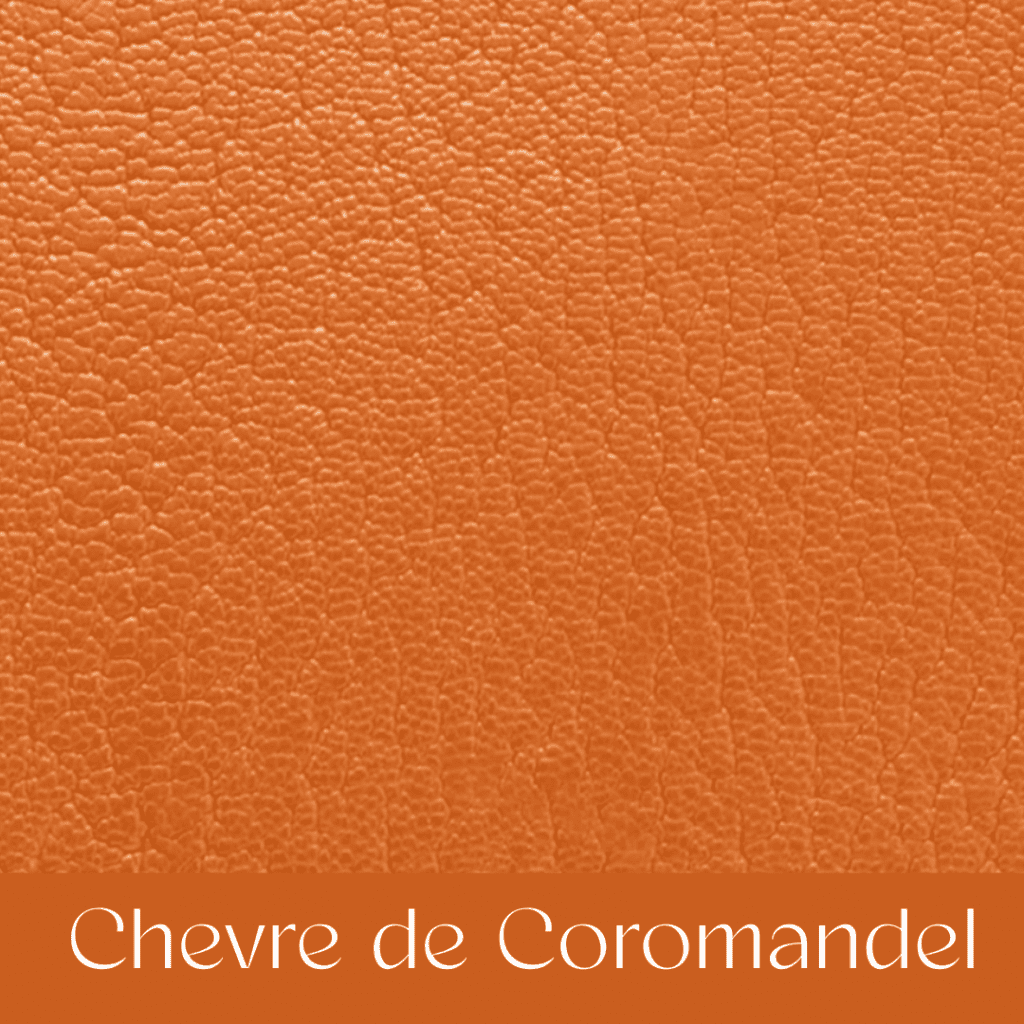
Luxury handbag fans and collectors regard Chevre de Coromandel as one of the most sought-after Hermès leathers. Iridescent, soft, lightweight, and richly grained, it bears the resilience of its source, mountain goats, and is highly resistant to water and scratches. It was discontinued in the early 2000s and replaced by Mysore leather.
2. Chevre Mysore
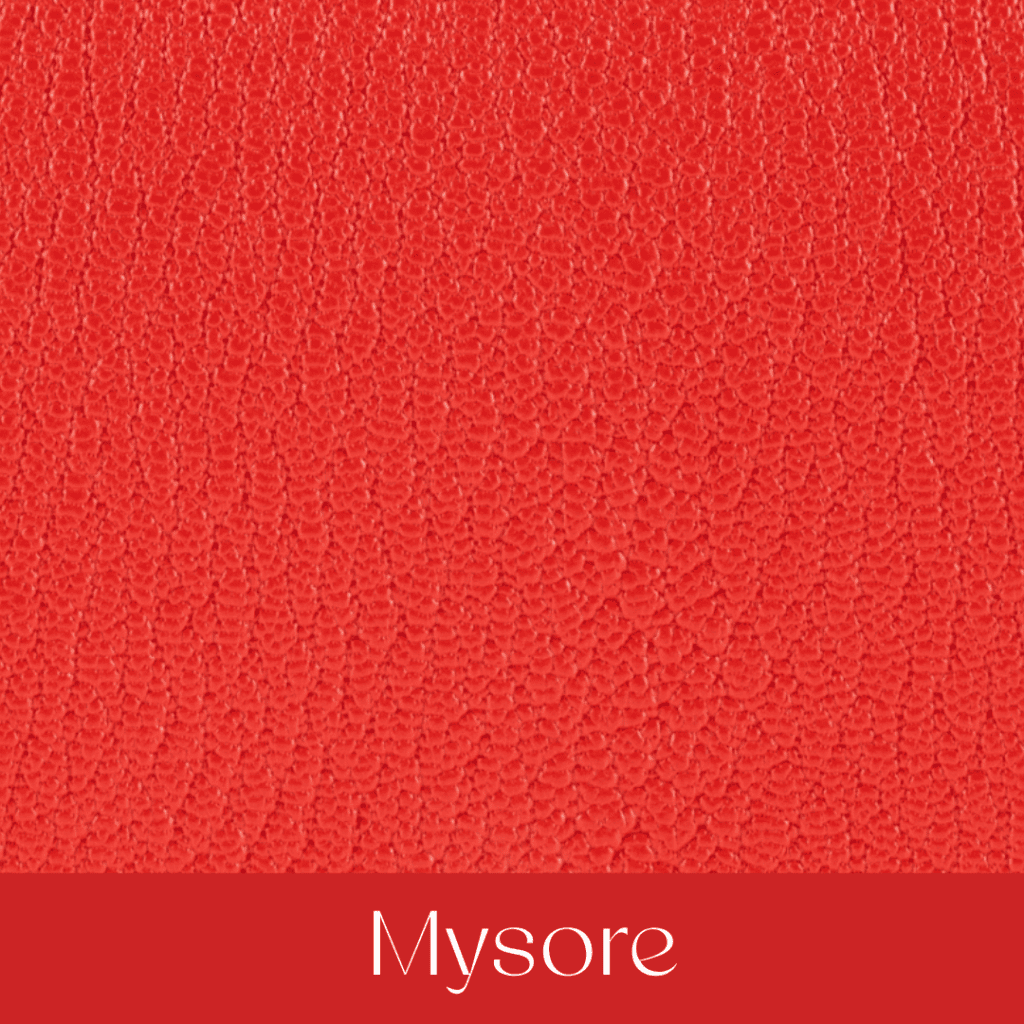
Mysore goatskin was introduced as a successor to Chevre de Coromandel. It features smaller, smoother grain and a less distinct spine. Despite this slight difference, Mysore has become the brand’s widely-used goat leather due to its exceptional durability and resistance.
3. Chevre Marocain
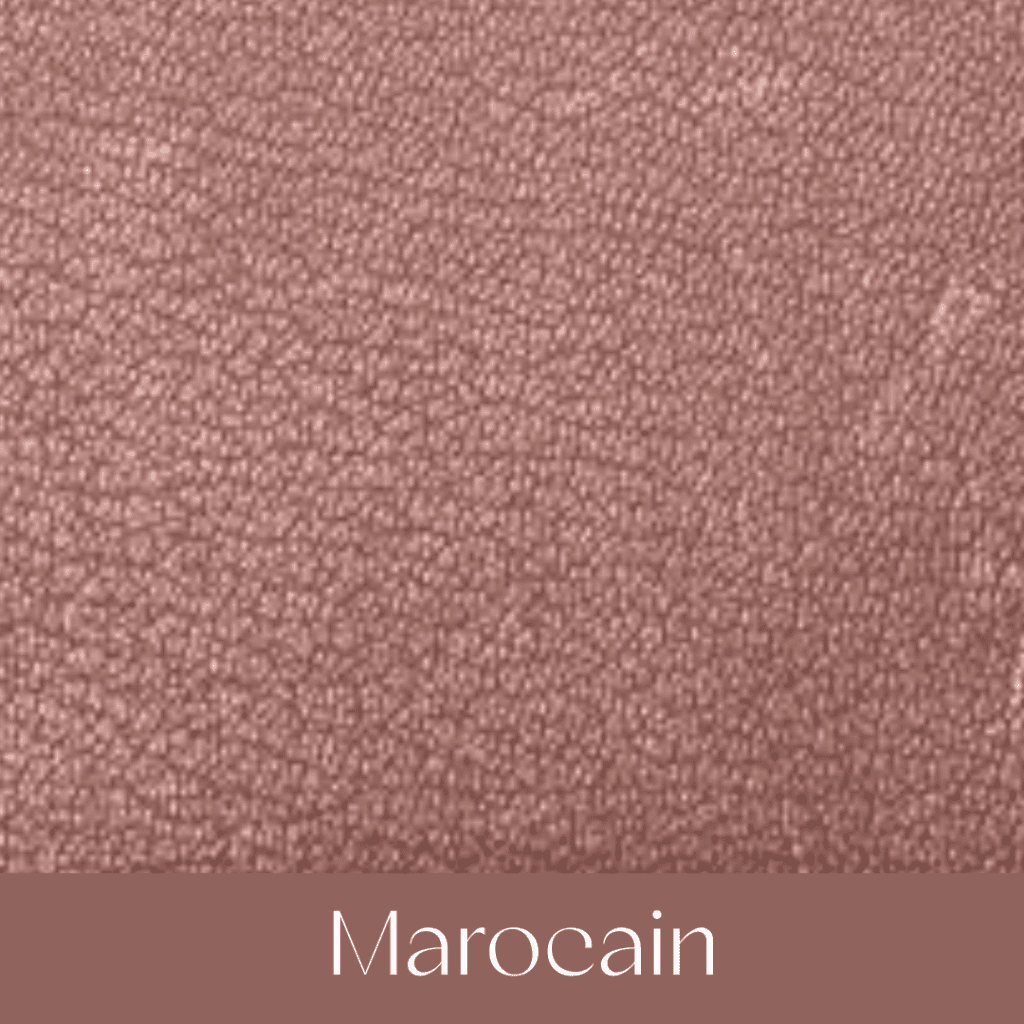
Marocain is one of the Hermès leathers used for the interior lining of iconic handbags like the Birkin and Kelly. It is finely grained, lightweight, soft, and durable.
4. Chevre Chamkila
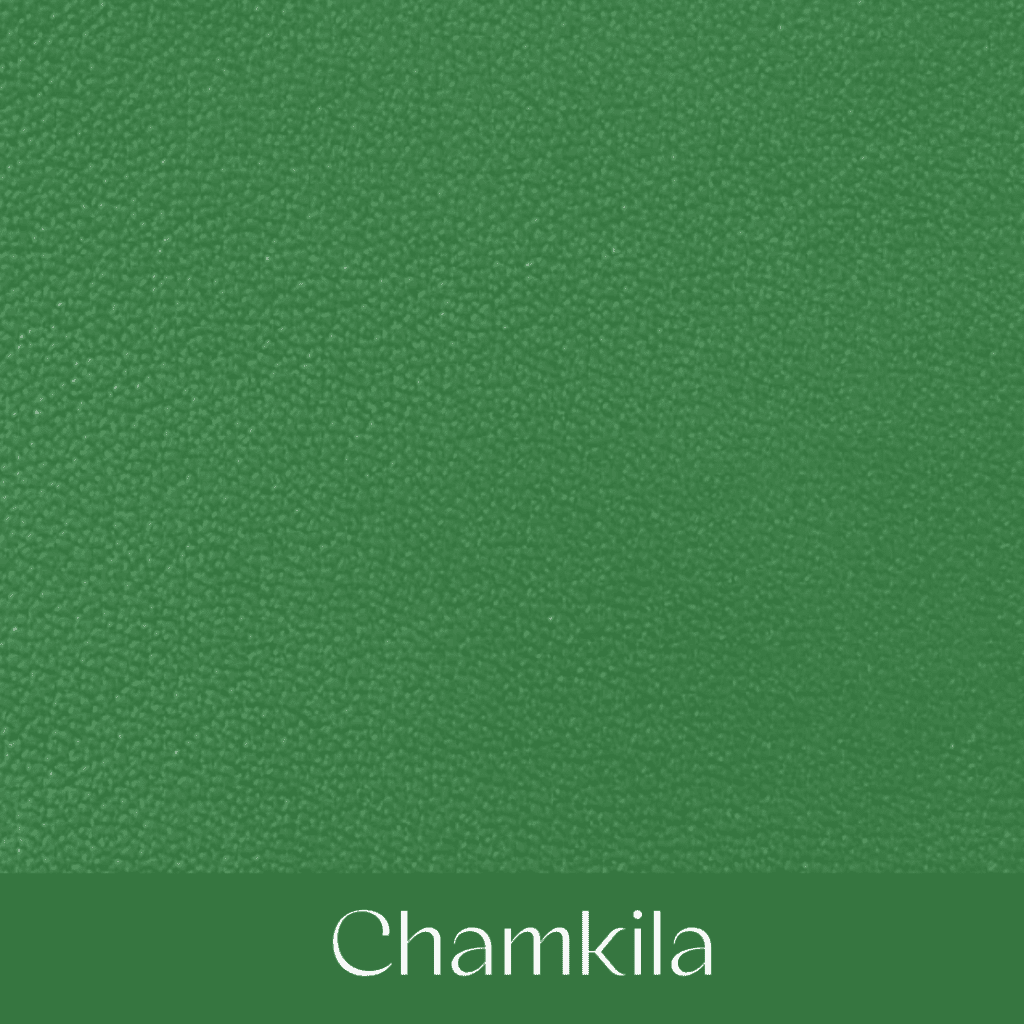
Chamkila is a shiny goatskin leather with small grain. Its glossiness makes it more of a showy material suitable for accessories rather than bags for daily wear. Chamkila is also named after the Hindi word for “shiny”, which aptly describes its winning characteristic.
5. Chevre Chamkilight
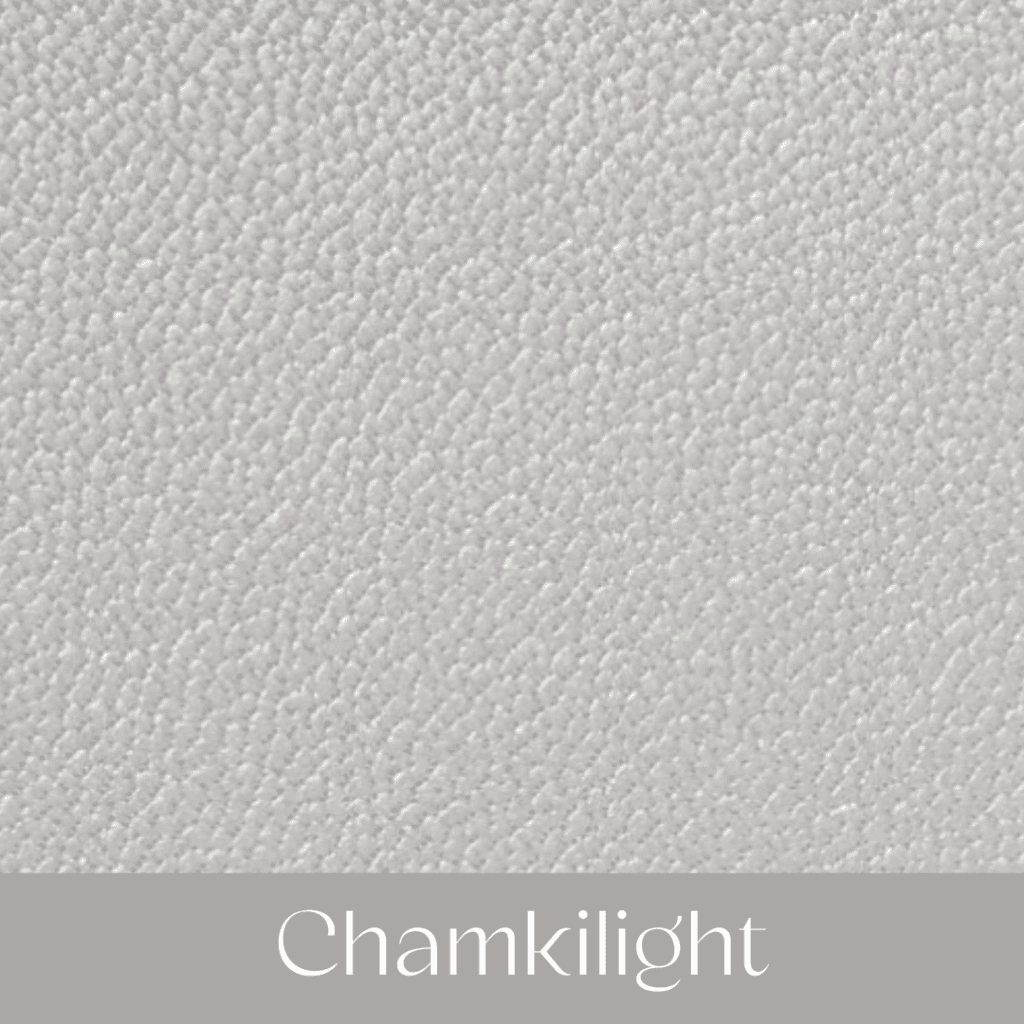
On the other hand, Chamkilight is the former’s variant in metallic finish. It is one of the more premium Hermès leathers reserved for SLGs and smaller bags like the Mini Kelly.
6. Vibrato (Discontinued)
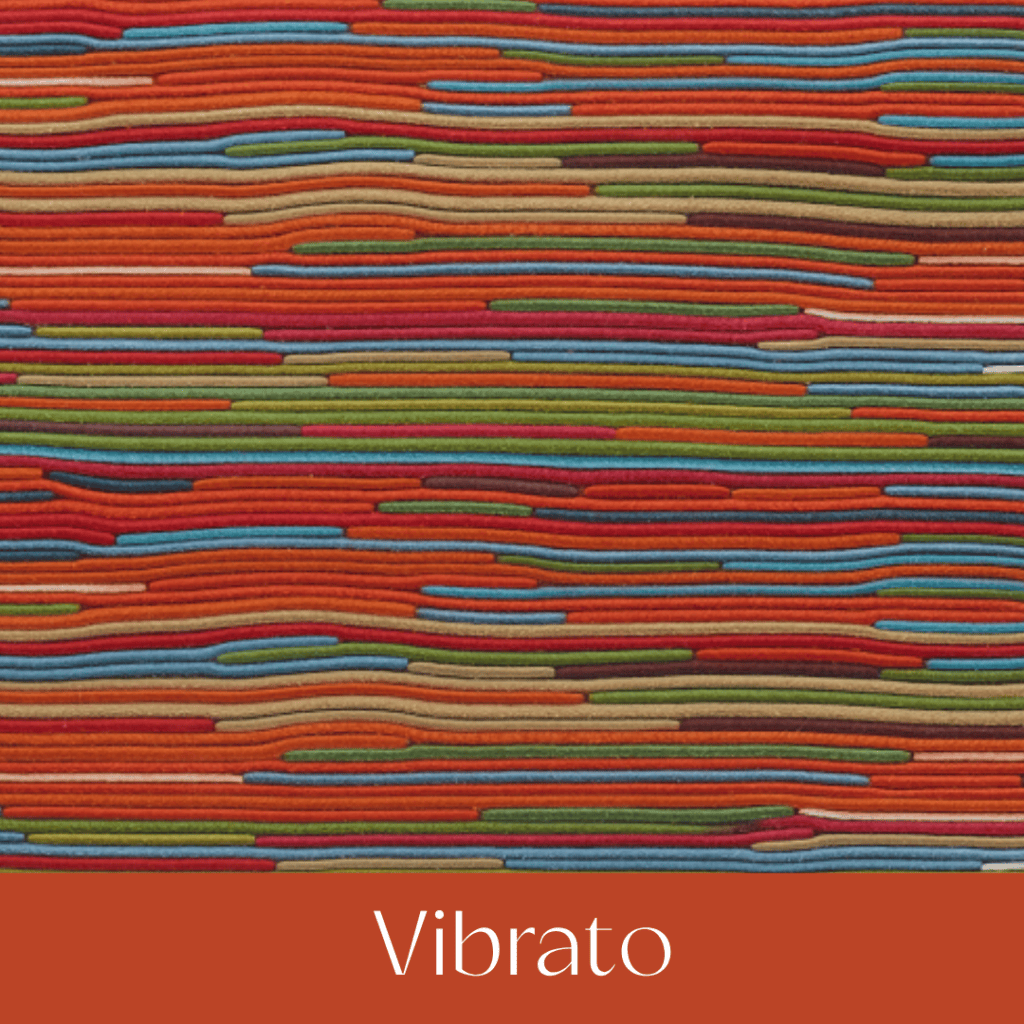
The eye-catching, multicolored stripes of the Hermès Vibrato leathers may appear like canvas or fabric at first, but it’s all 100% goatskin leather. Artisans go through a very labor-intensive process of stacking and gluing colored chevre leather strips, then slicing vertically to reveal a colorful “cross-section”. The stacked layers not only make it visually appealing, but also extremely durable and resistant to scuffing and water damage.
Exotic Hermès Skins
1. Niloticus Crocodile
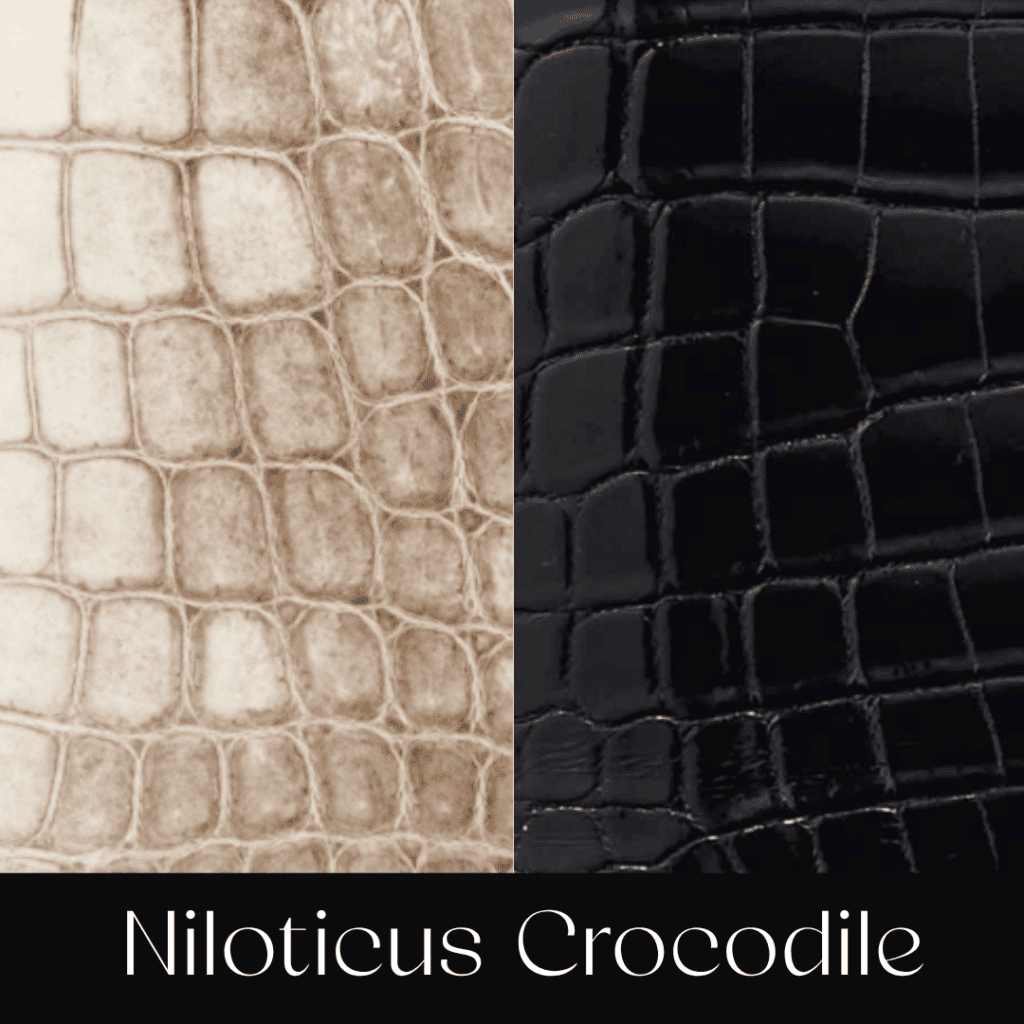
One of the most popular and sought-after exotic Hermès skins is Niloticus Crocodile, which is sourced from the Nile River. It comes in two variations. Matte and Lisse (glossy). You can recognize crocodile handbags through their larger scales and small pores in between. Hermès uses double dots (••) next to the brand name to differentiate Niloticus. Water can potentially cause significant damage to these bags
Niloticus is most widely recognized as one of the Himalayan Birkin leather types.
2. Crocodile Porosus
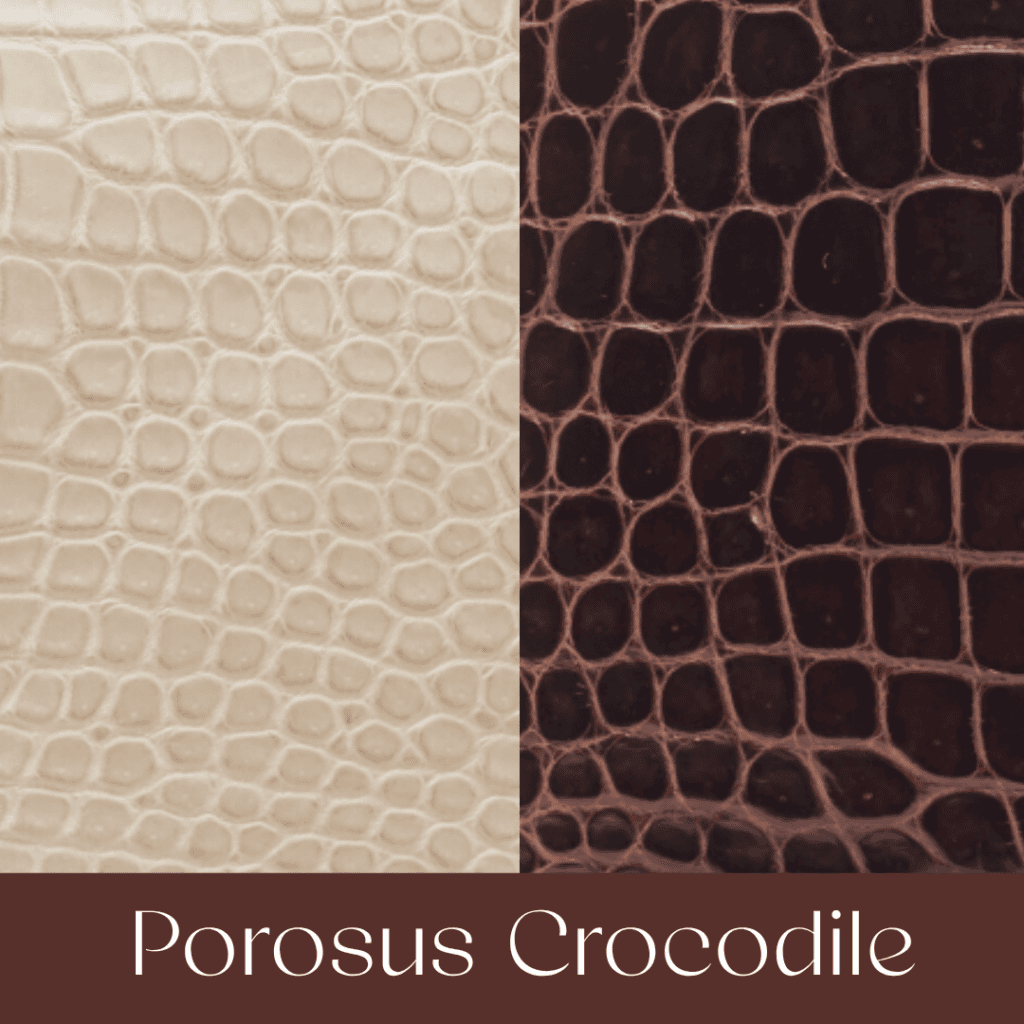
This type of crocodile leather is mainly sourced from saltwater crocs in Australia. It is recognized by the caret symbol (^) beside the brand name. It also comes in either Lisse or Matte variants, but boasts a more symmetrical scale pattern. Porosus is considered the highest quality Hermès leather.
3. Alligator Mississippiensis
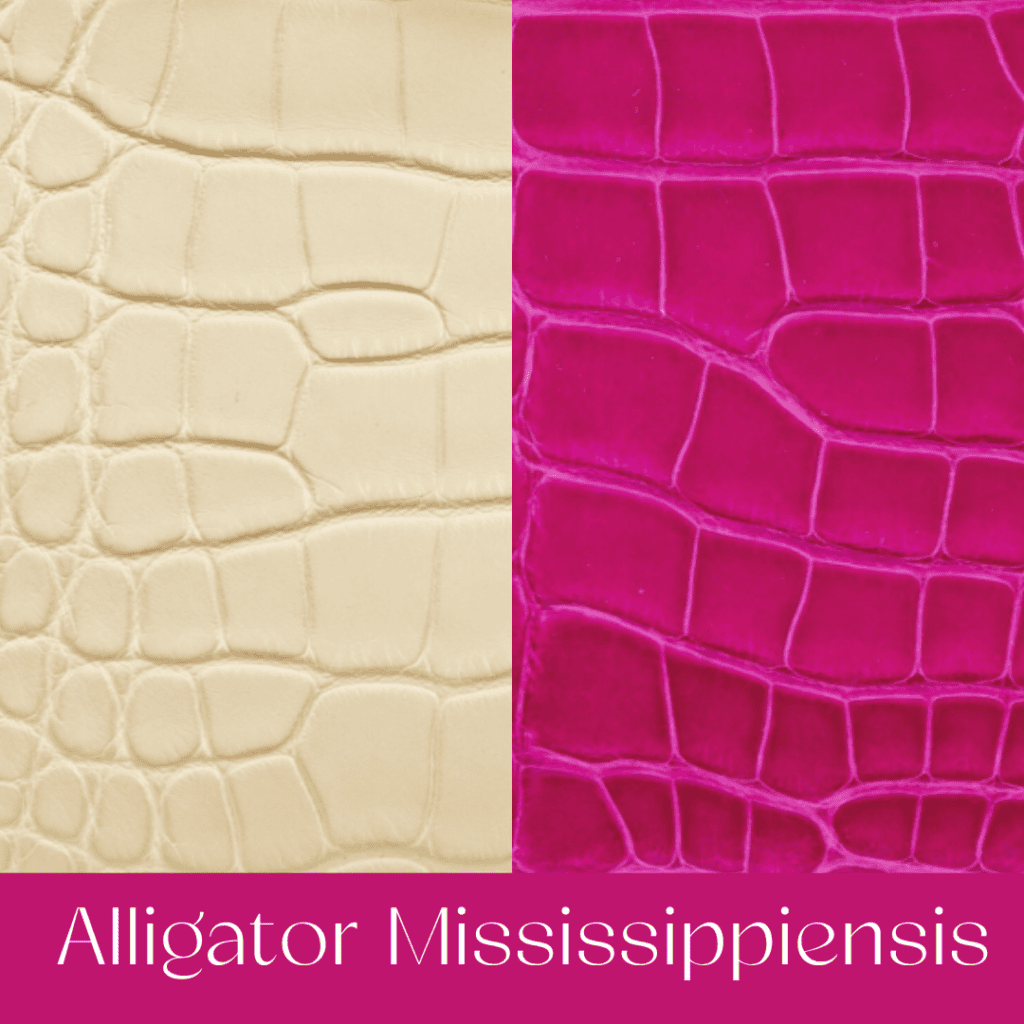
Alligator Hermès skins are also part of the most popular exotic options, although they are less expensive. The Mississipiensis comes in both Lisse and Matte, and is also known for its exceptional structure and durability. These are marked by a square (☐) symbol.
4. Boreal Satin Alligator
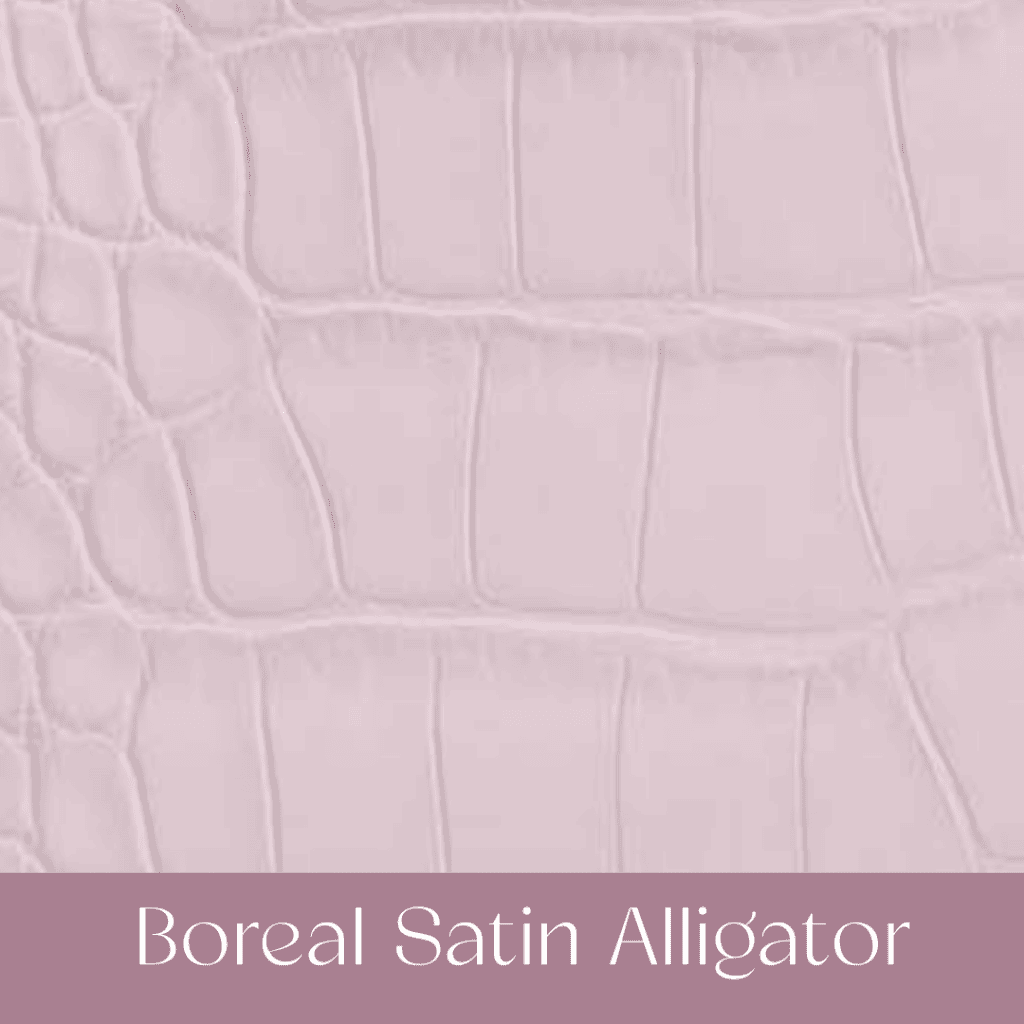
In early 2023, the brand introduced Boreal Satin Alligator as part of the Hermès skins lineup. This type of leather, although similar to the Matte Alligator, features a silkier finish and only comes in a few colors.
5. Niloticus Lizard
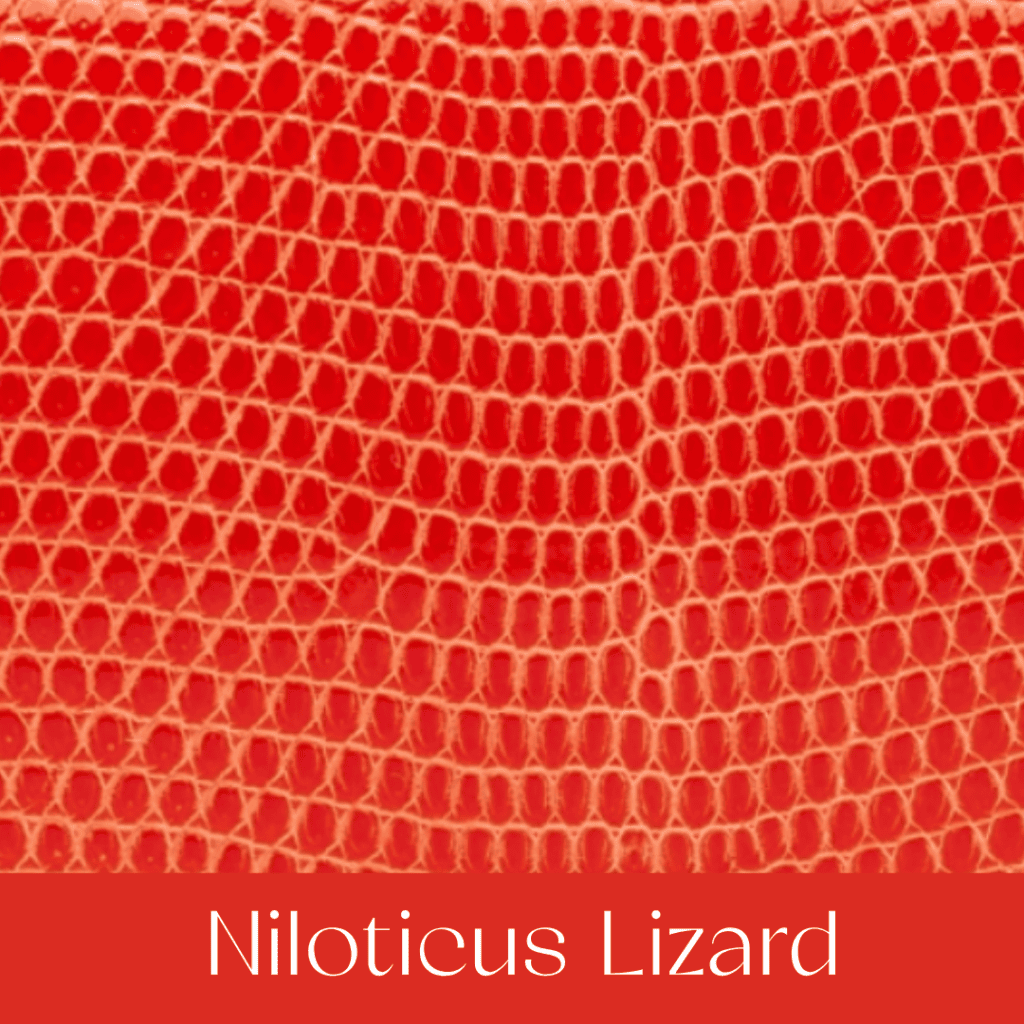
The Veranus Niloticus Lizard is sourced for premium Hermès skins, originating from the Nile River. It is marked by a hyphen (-). It has smaller scales compared to Alligator and Crocodile, which make even the matte variant appear subtly glossy. Lizard skins only come in small sizes, so you most likely won’t see these on full-sized Hermès handbags.
6. Salvator Lizard
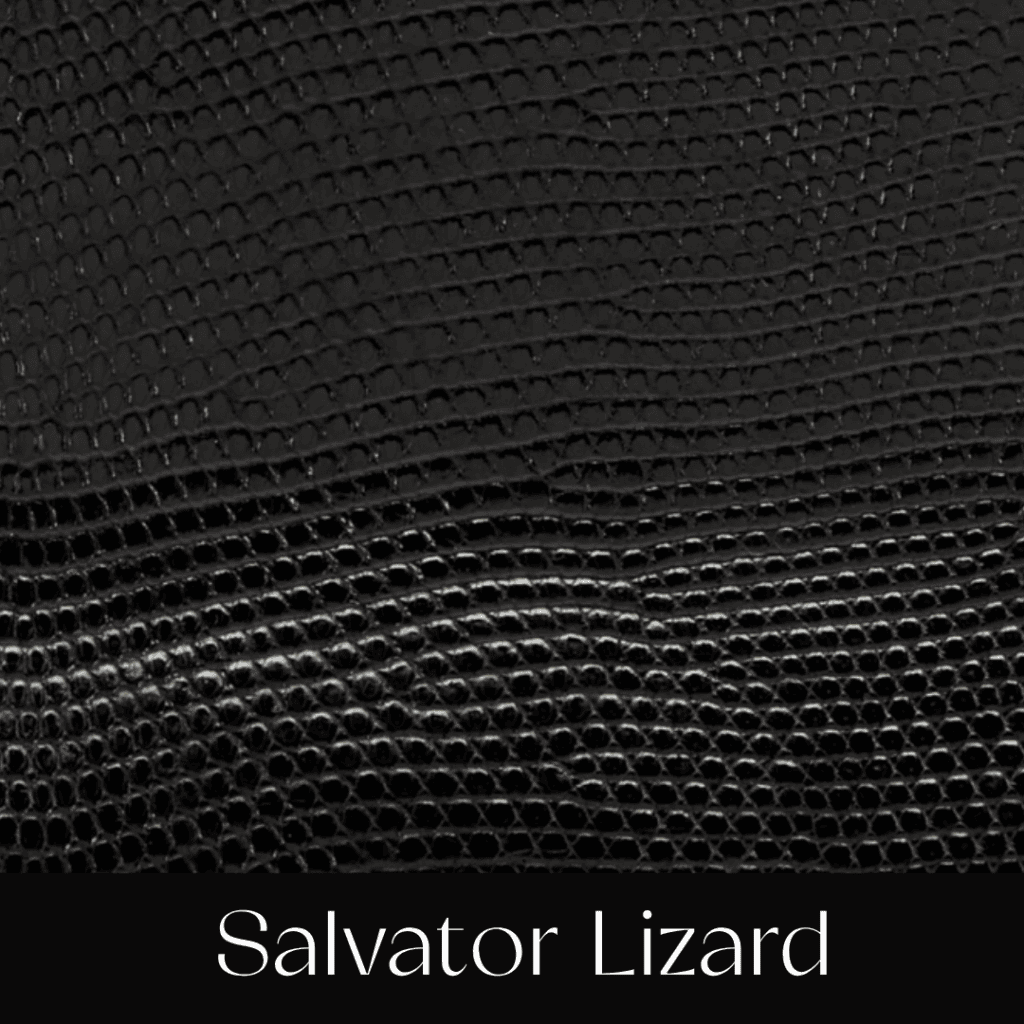
Asian water monitors are the source of Salvator Lizard Hermès leathers. It can be identified with the double hyphen (=) symbol. Exotic skin fans also know this as the Ombre Lizard, owing to its natural pattern shown on smaller handbags and the rare Ombre Birkins and Kellys. Like other lizard skins, Salvator is very delicate and must not be exposed to water.
7. Ostrich
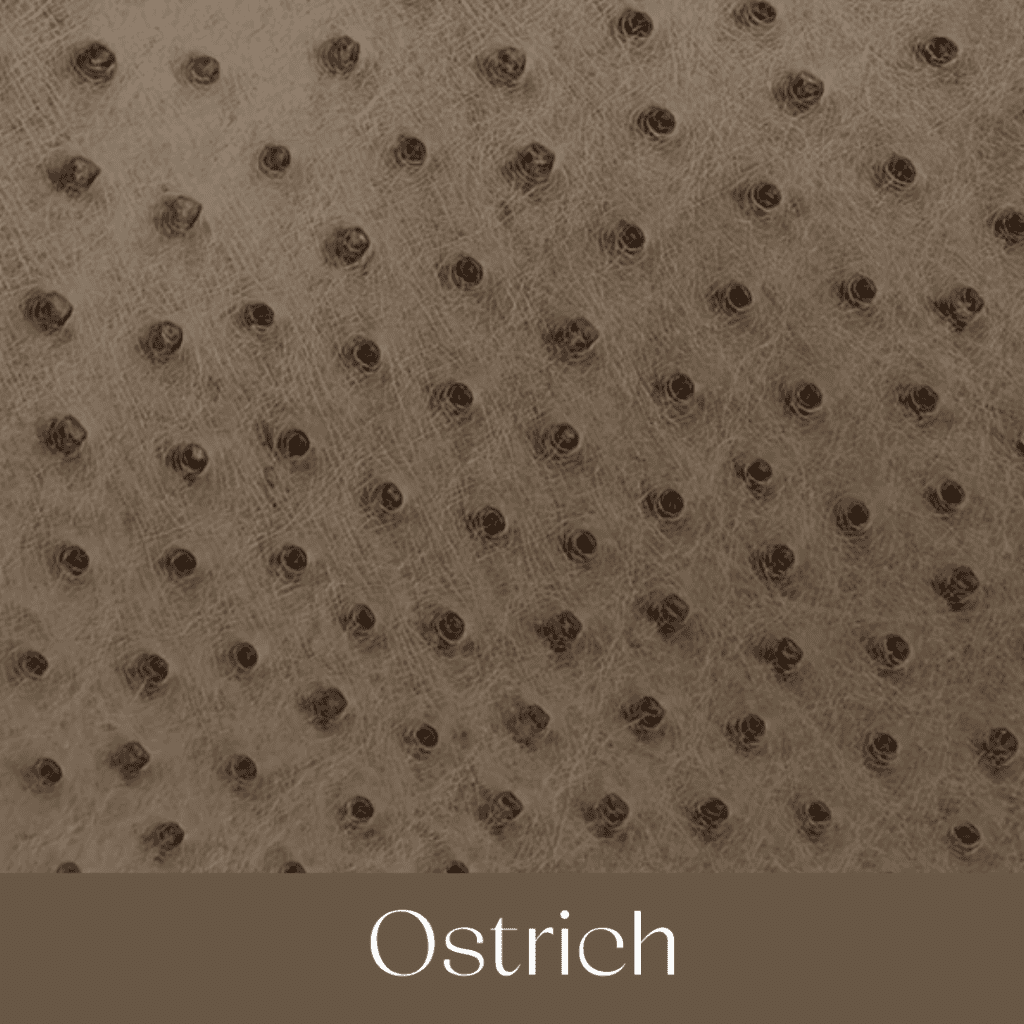
Ostrich Hermès skins are characterized by their distinct texture. You can easily spot Ostrich bags that sport polka-dot-like pores, or feather follicles. In fact, the more follicles there are, the higher the item’s value. Like standard leather, Ostrich skin develops a charming patina from frequent exposure to oils, sunlight, and humidity.
No two Hermès leathers and skins are exactly the same. Each possesses its own distinct characteristics, strengths, and weaknesses. To find the right types of Hermès leather, you need to think about your lifestyle, how you plan to use your luxury handbag, and research the availability of your preferred material. Surely, with all these options, you can find the perfect Hermès leathers that match your taste and requirements.
ALSO READ: The Ultimate Guide to Hermès Bag Styles
If you’re looking for an Hermès handbag that’s brand new, secondhand, or even out-of-production, ask Mommy Micah, your trusted luxury bag seller in the Philippines. We source all sorts of luxury pieces like Hermès Birkin, Kelly, Constance, Herbag, Lindy, GPT, Roulis, and more! Follow us on Instagram @mommymicahluxebagstore and @mommymicahofficial to grab your dream bag before it’s gone!
